Field knowledge, clearly explained

Practical guides for cleaner, safer, better-maintained surfaces.

Explore straightforward explanations of service methods, surface risks, tools, maintenance choices, and the point where routine cleaning becomes corrective work.

Power Washing

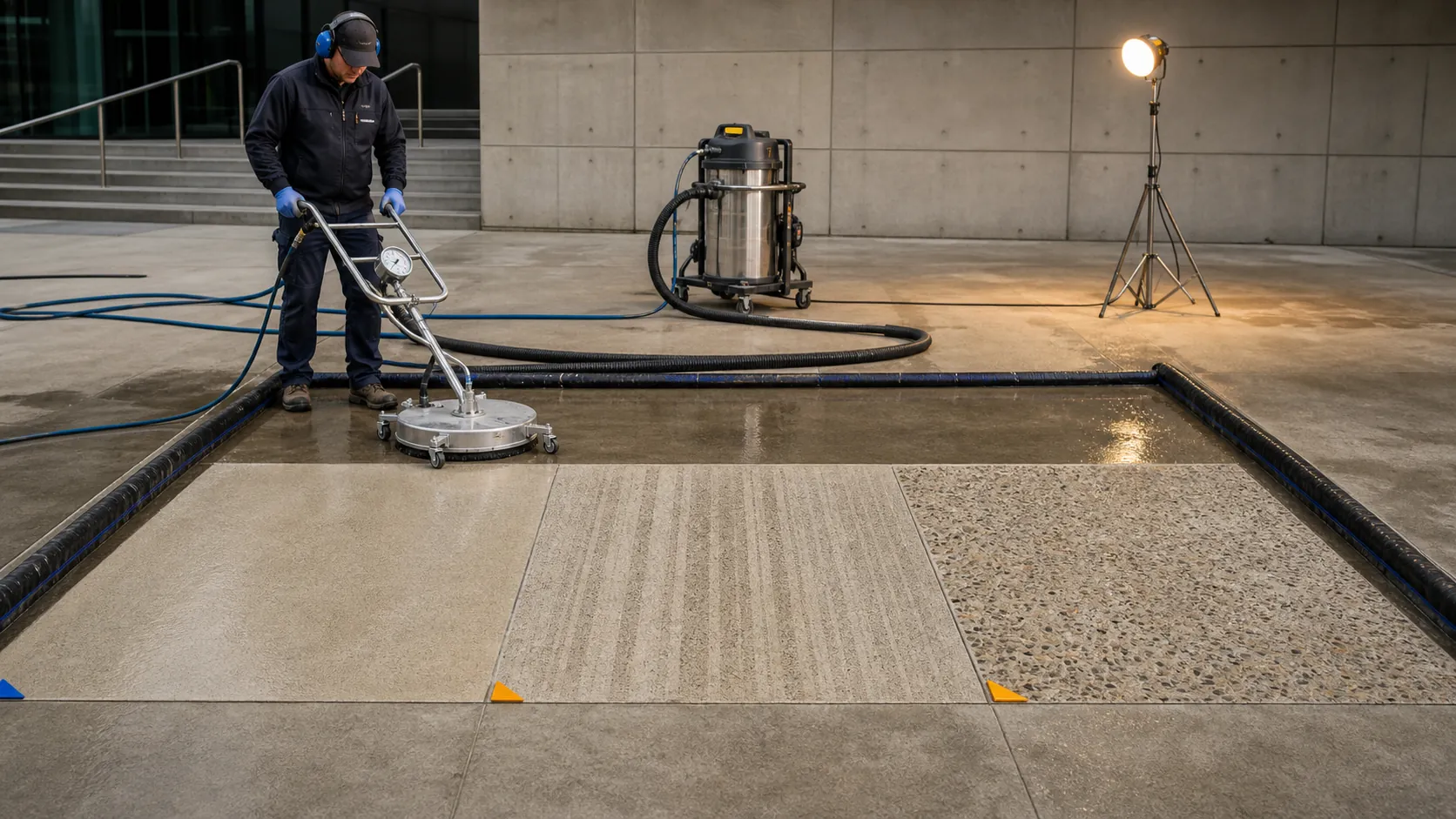
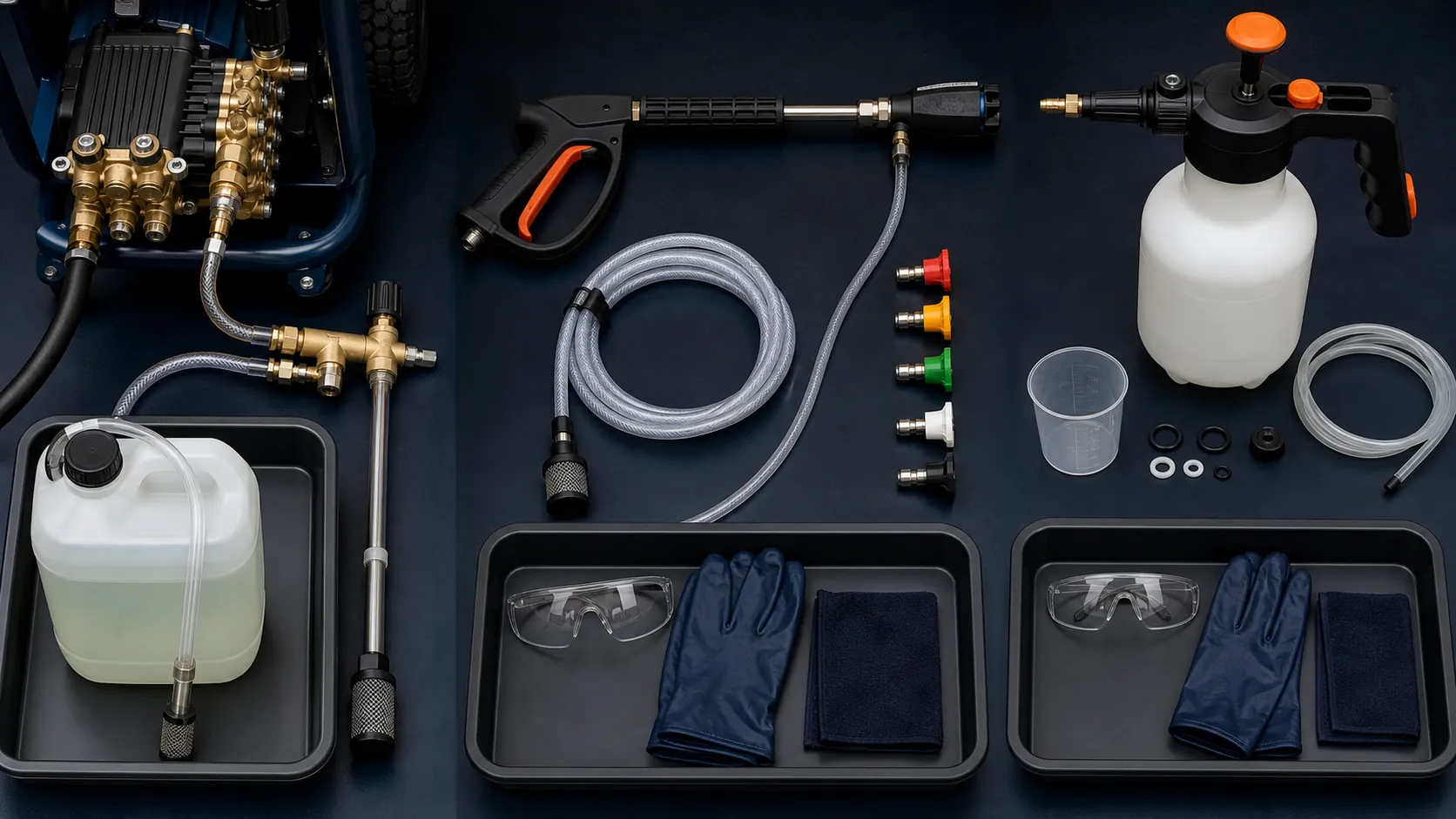
Pressure-washing runoff control

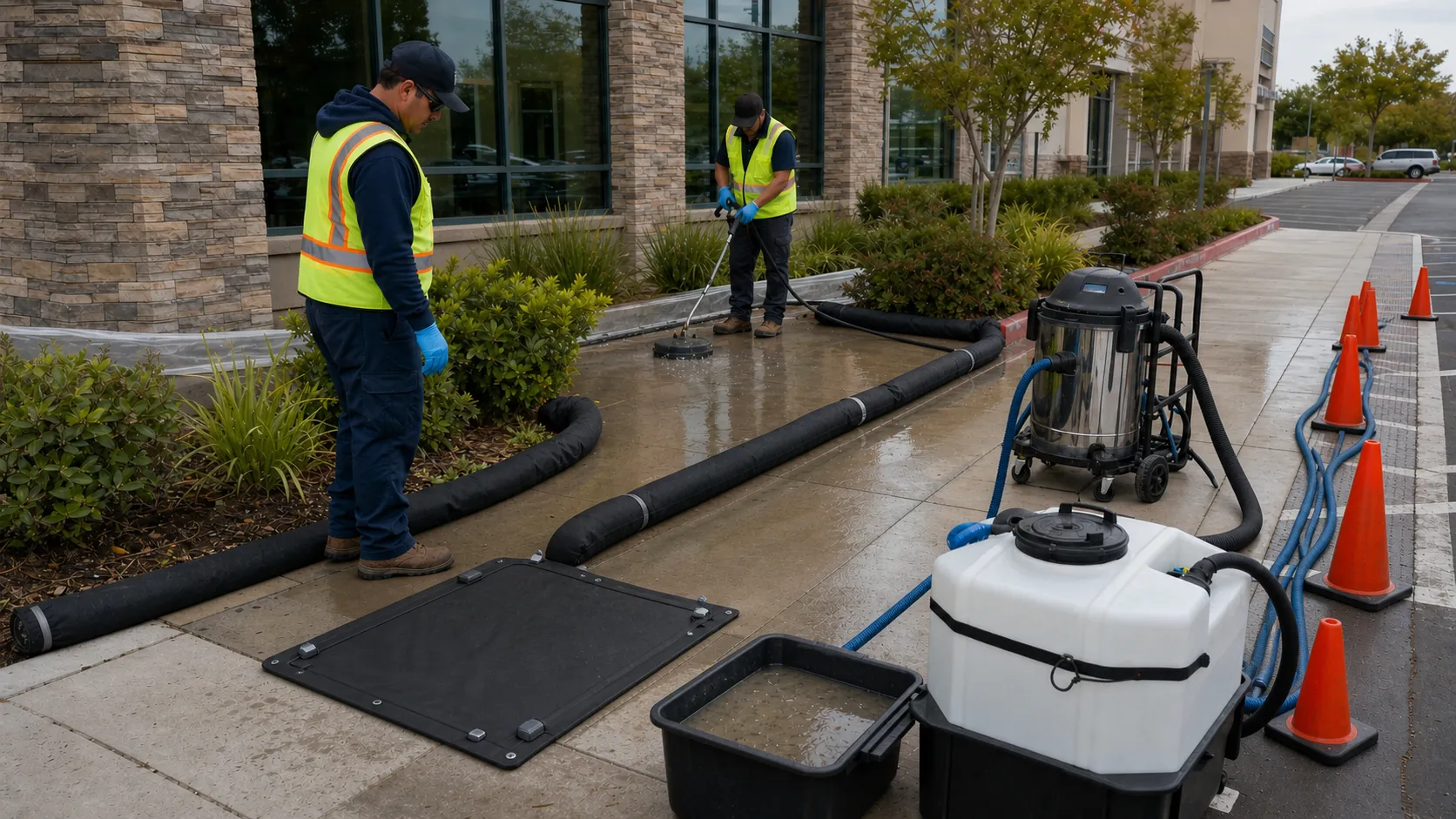
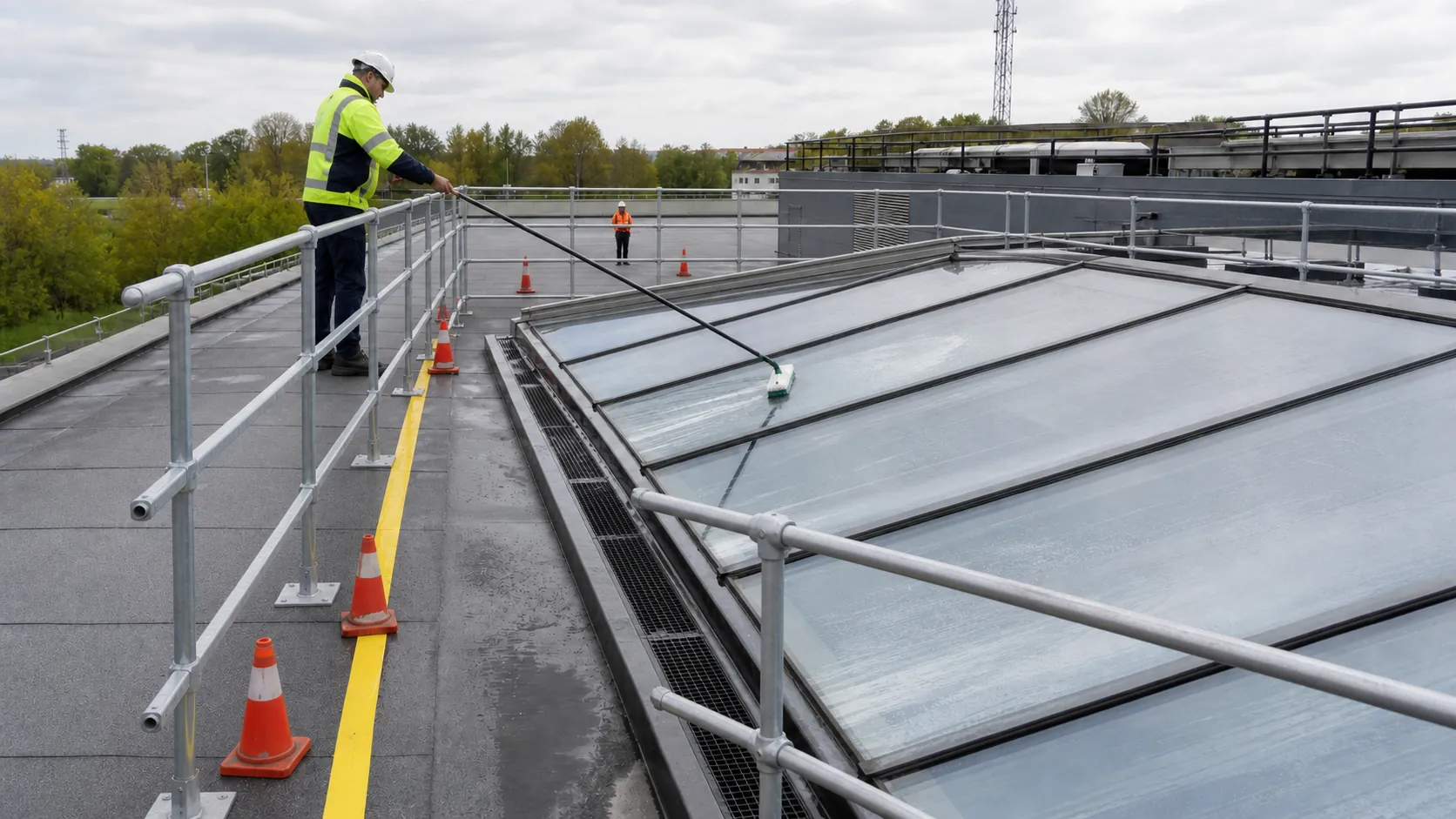
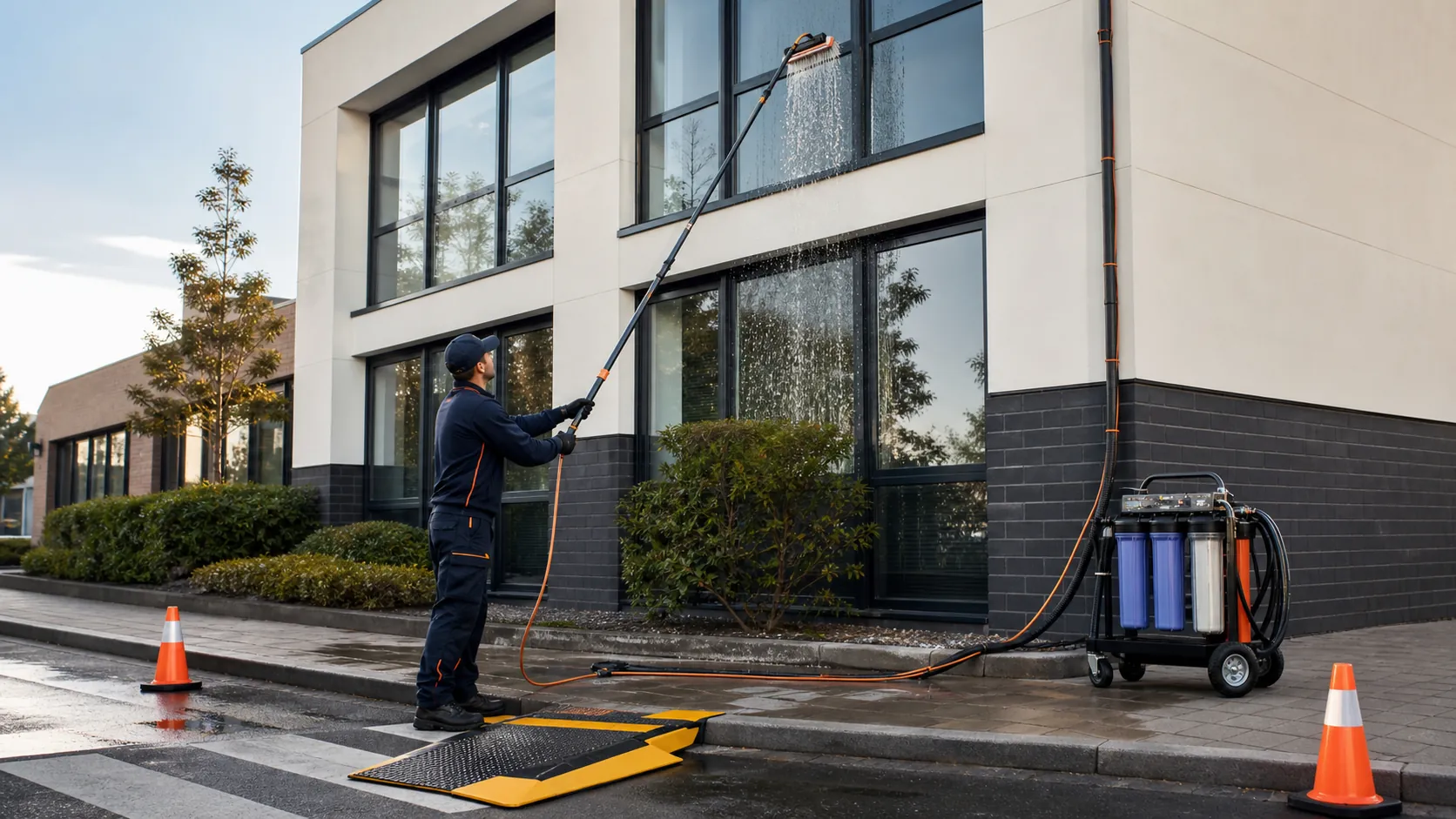
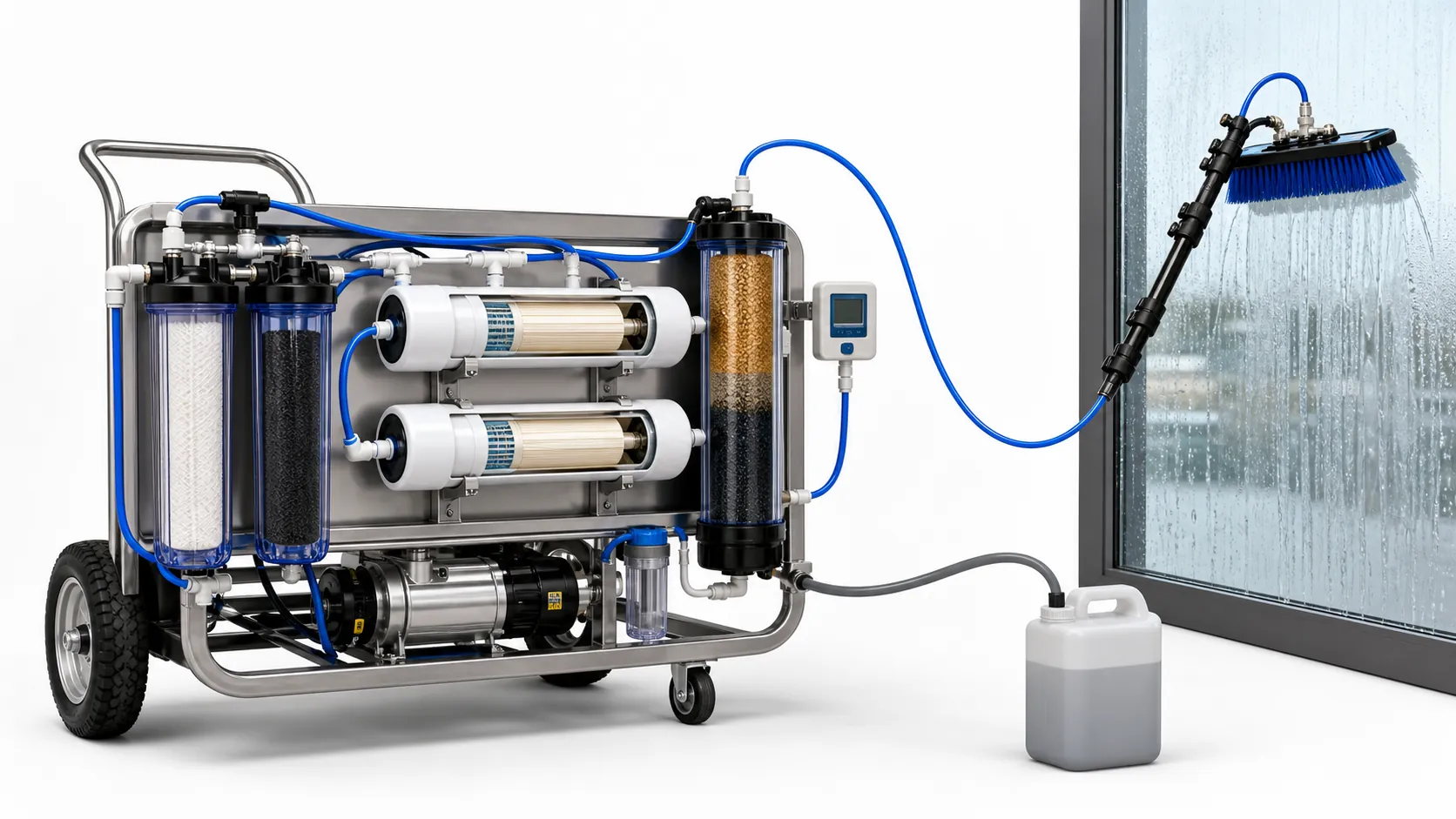
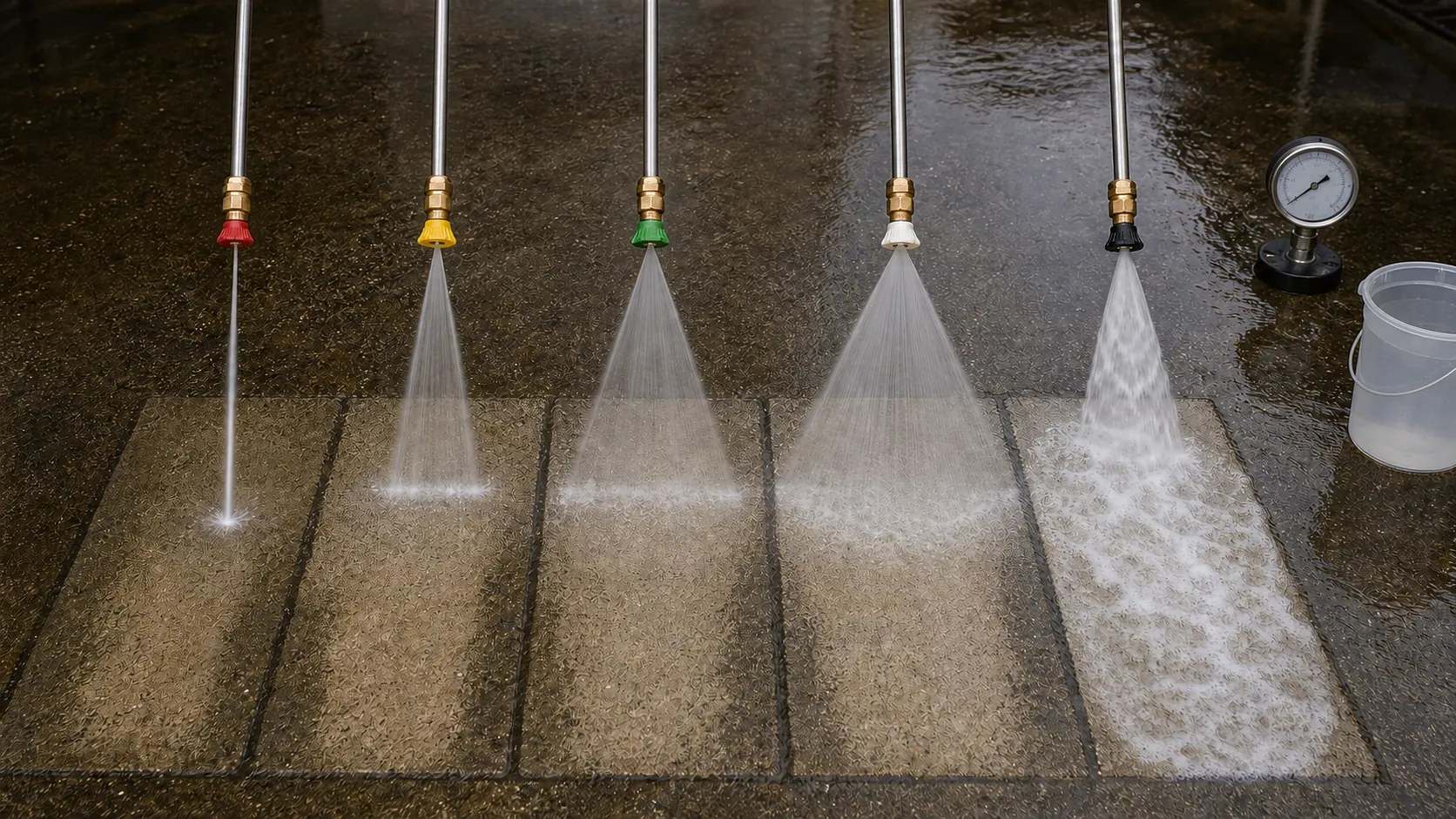
Map drains, inventory pollutants, reduce water, isolate storm inlets, build berms, recover with vacuum equipment, separate solids, confirm disposal authority, and inspect controls during the wash.

Read guide
Window Cleaning

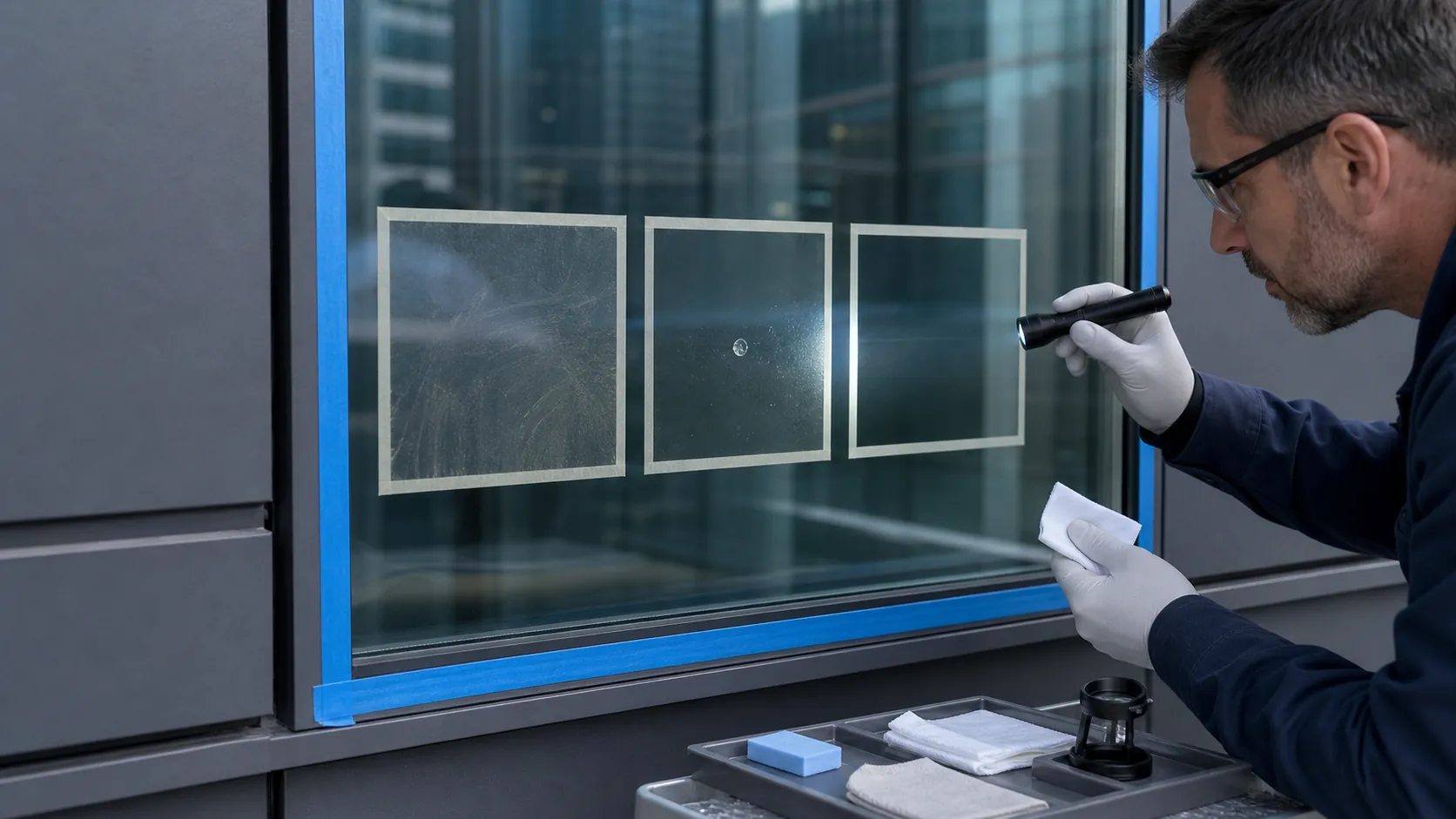
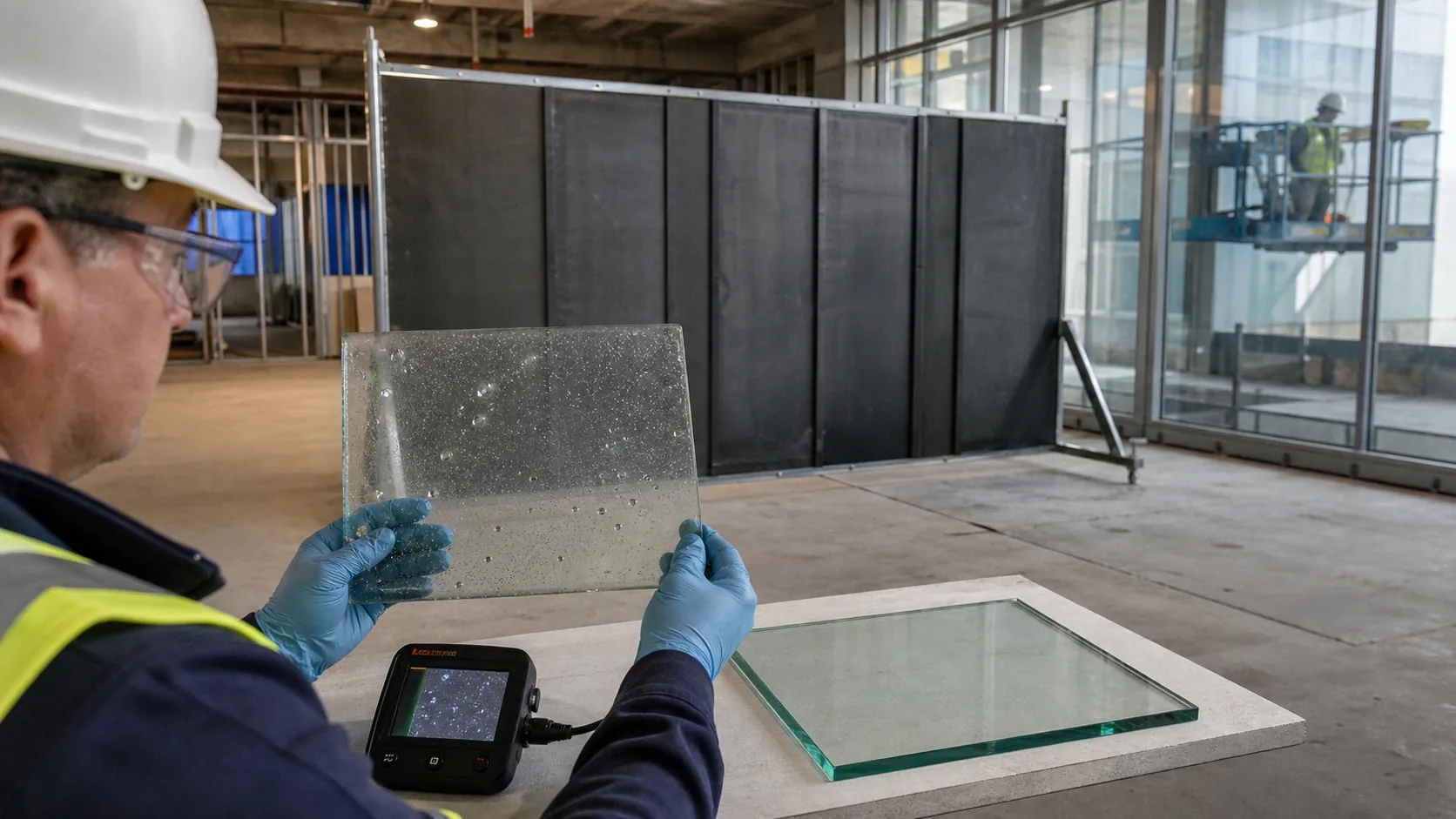
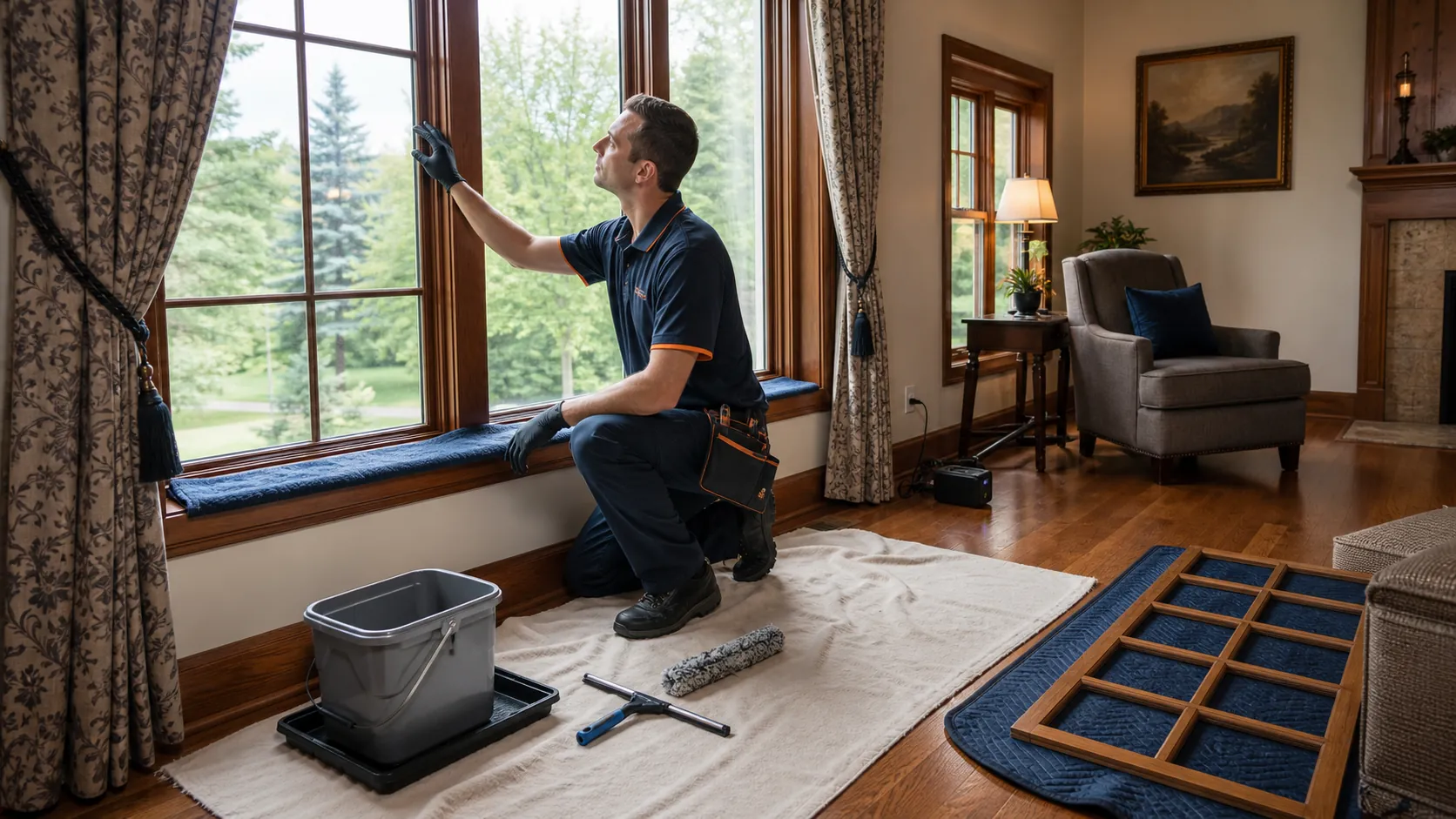
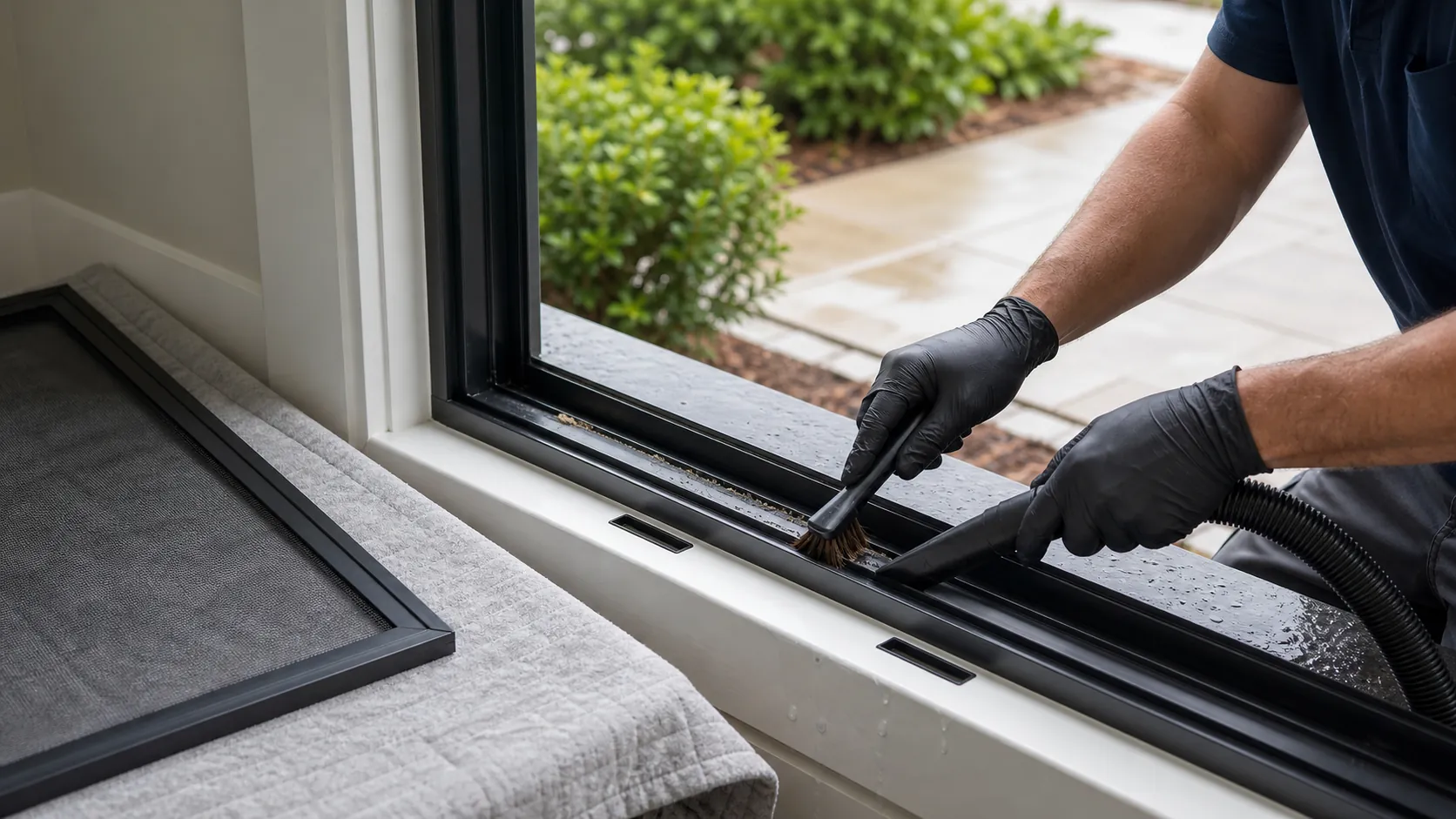
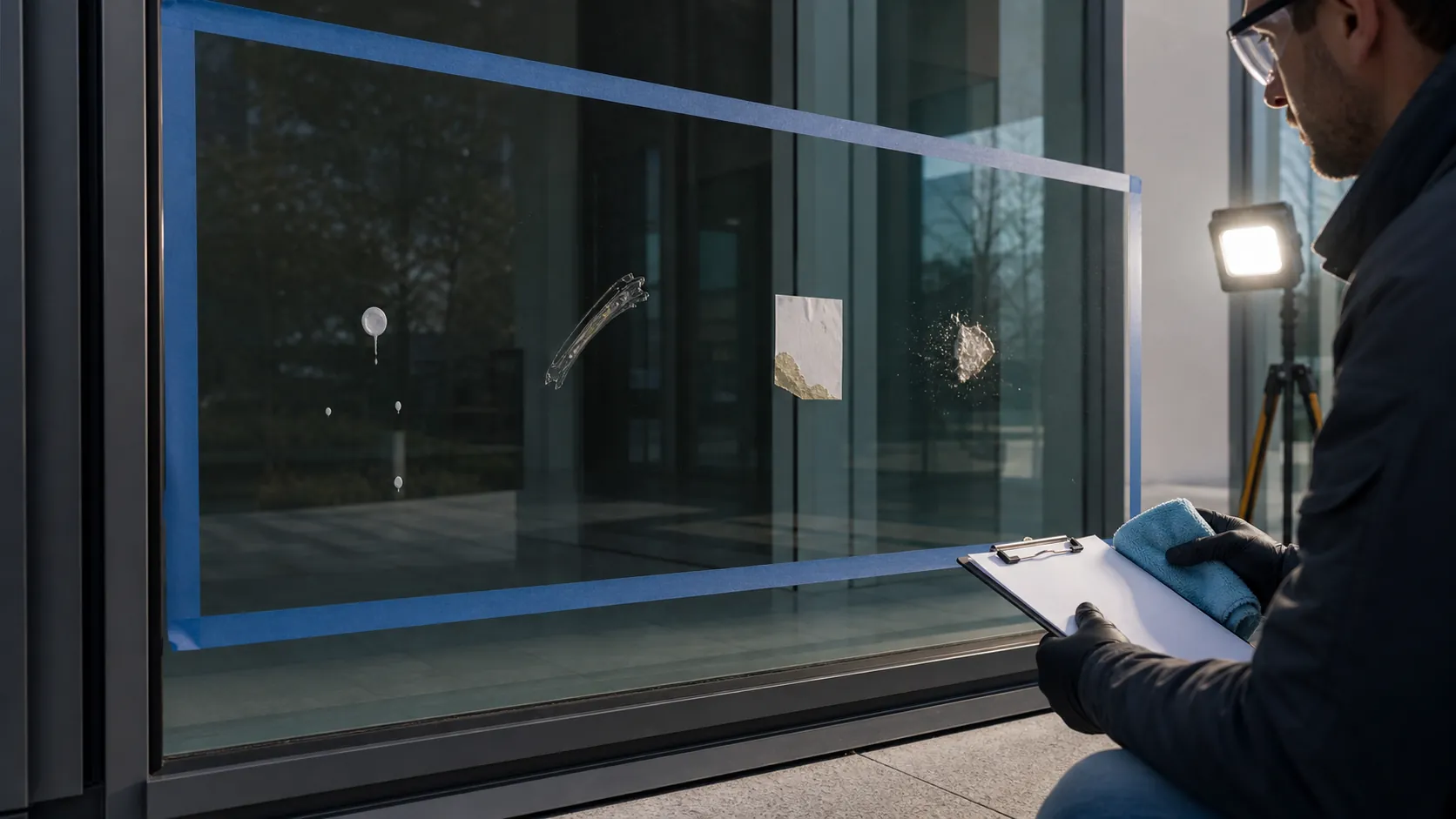
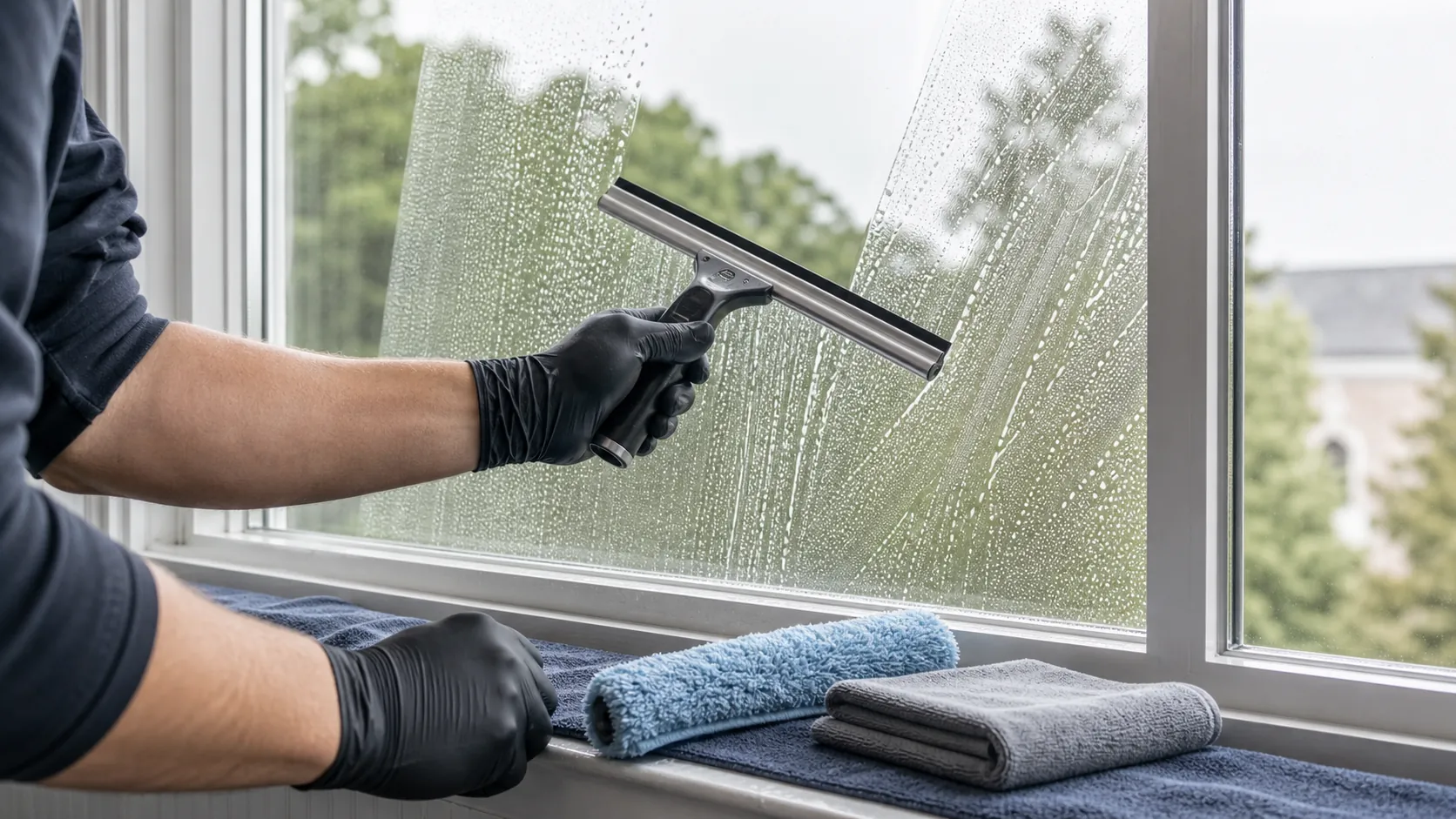
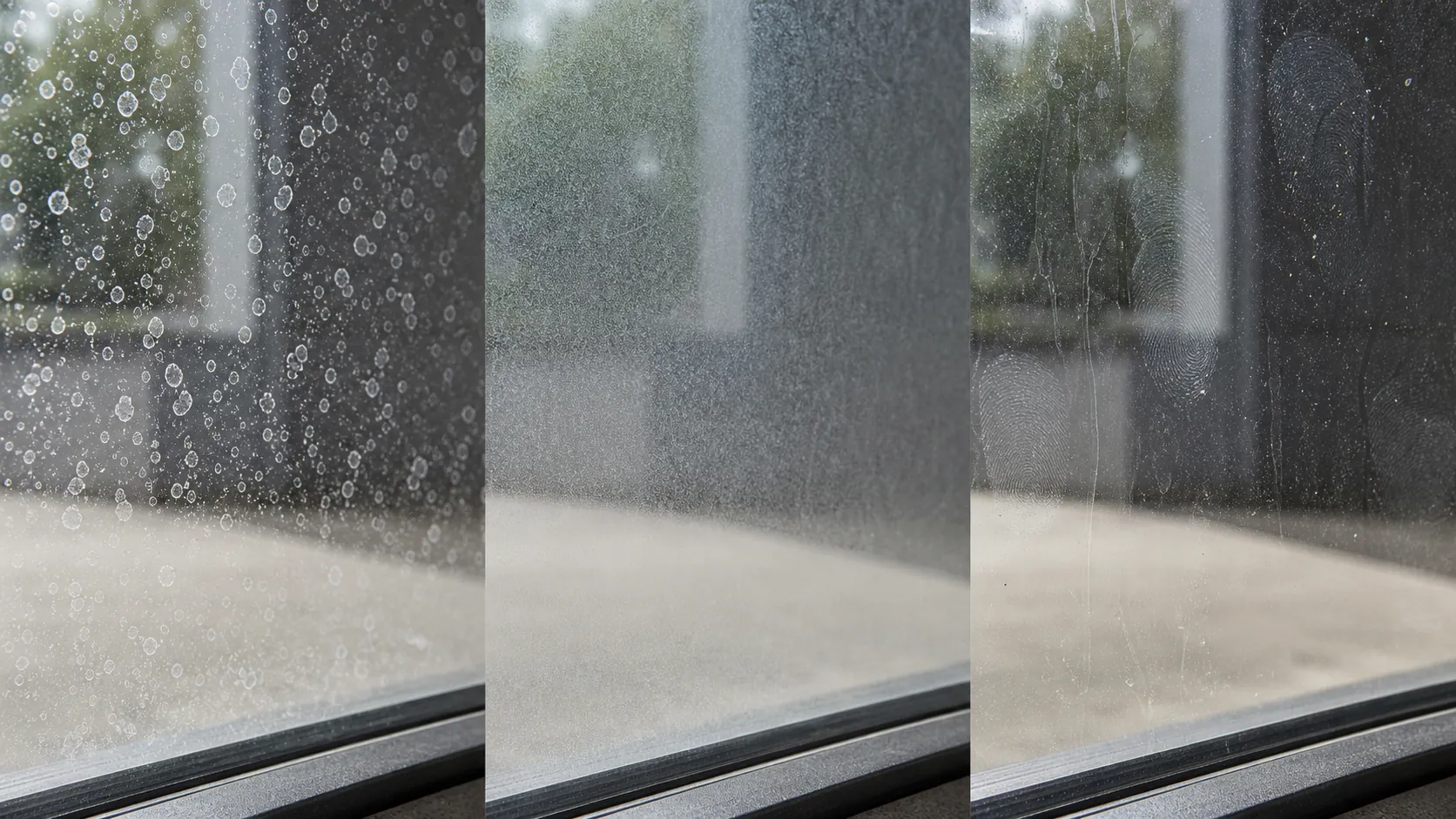
Why a window still looks dirty after cleaning

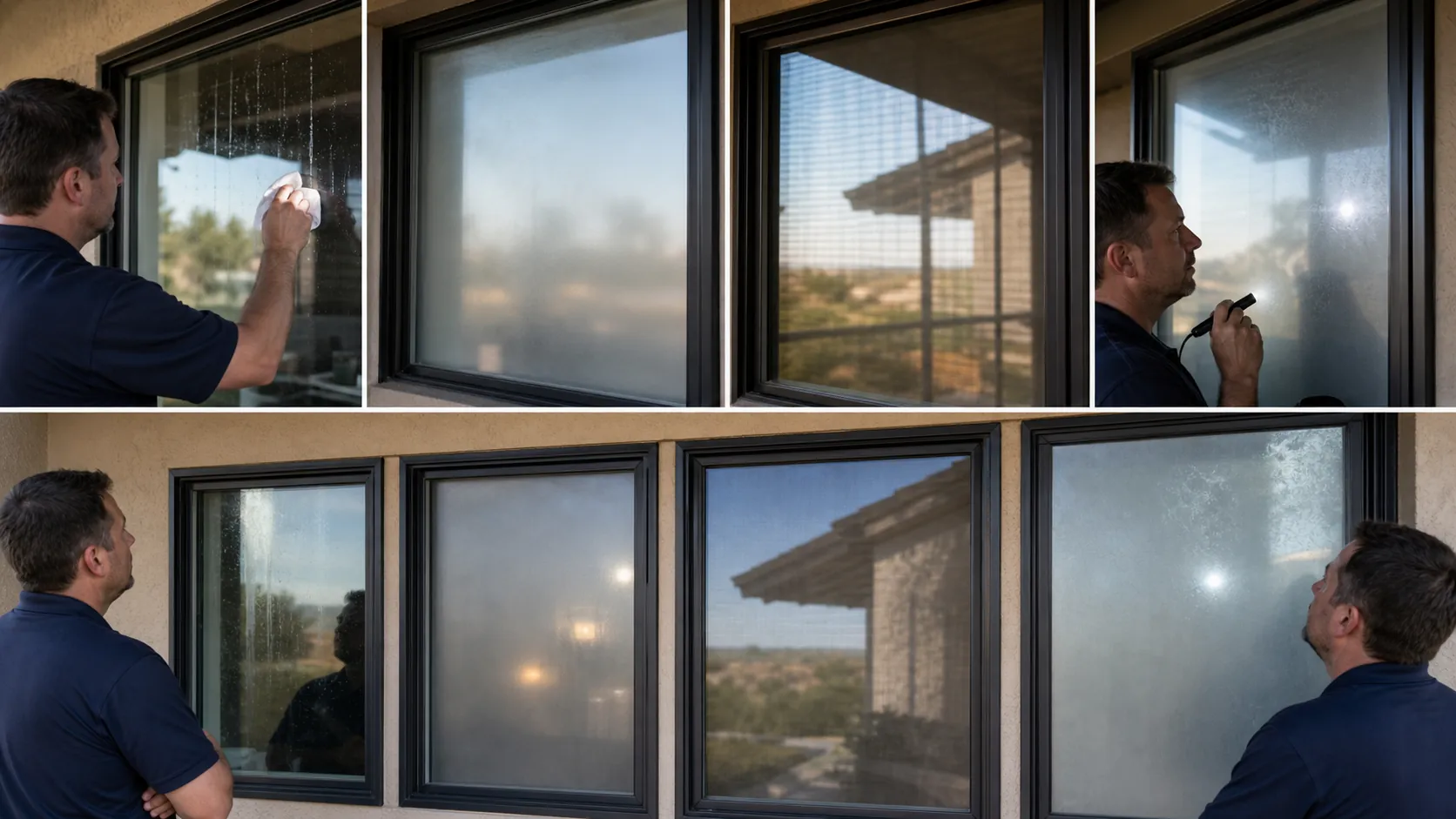
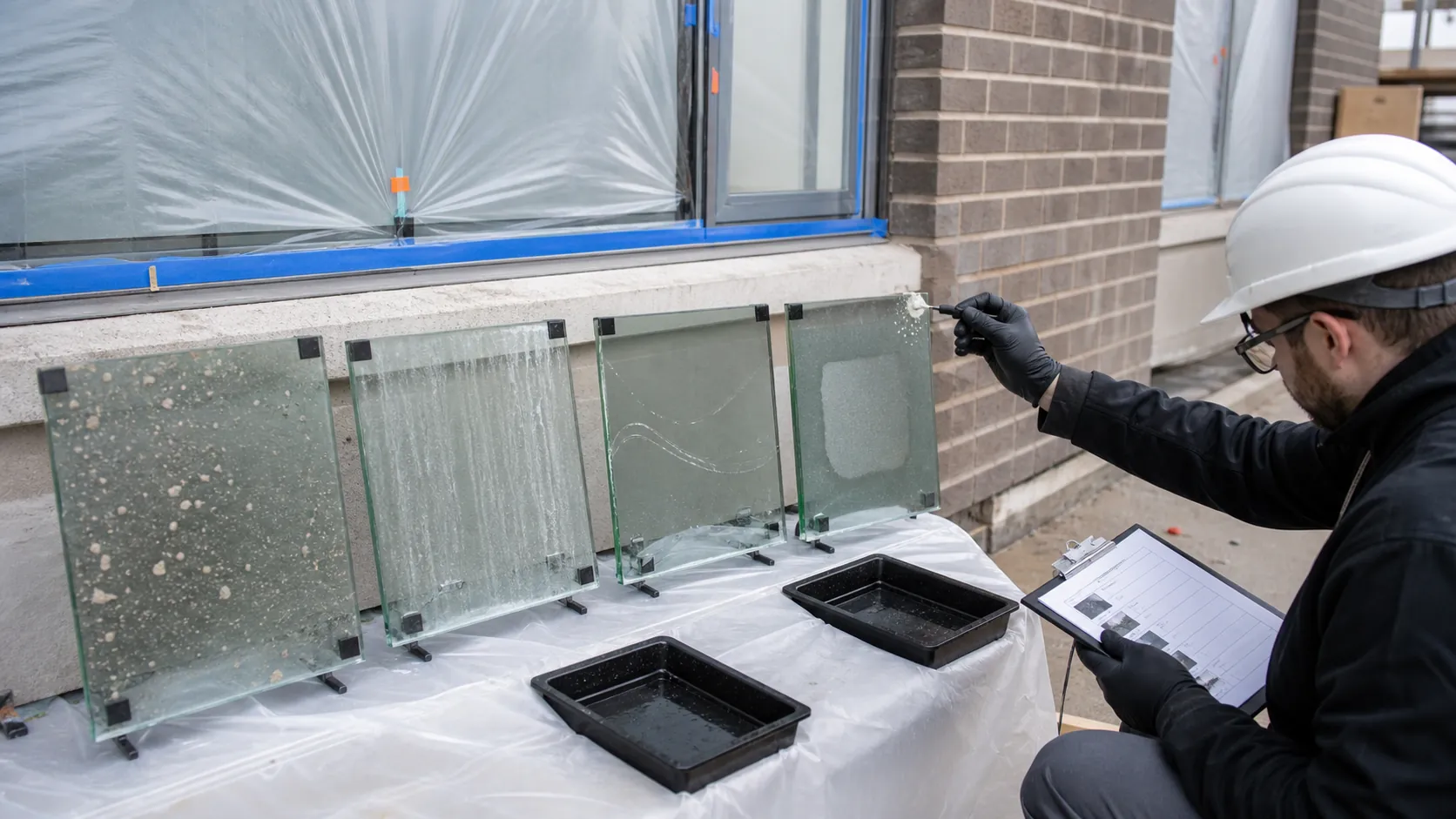
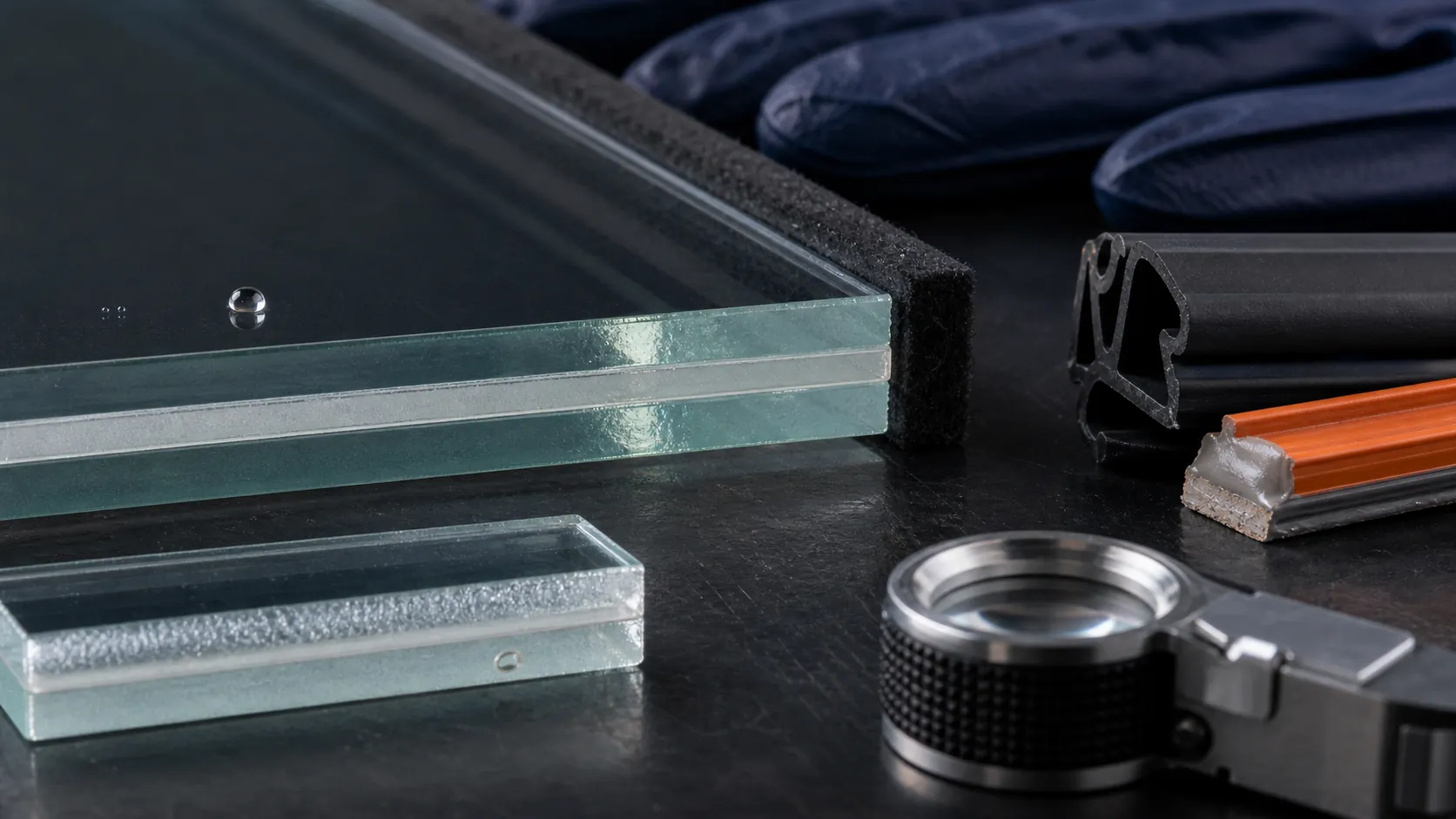
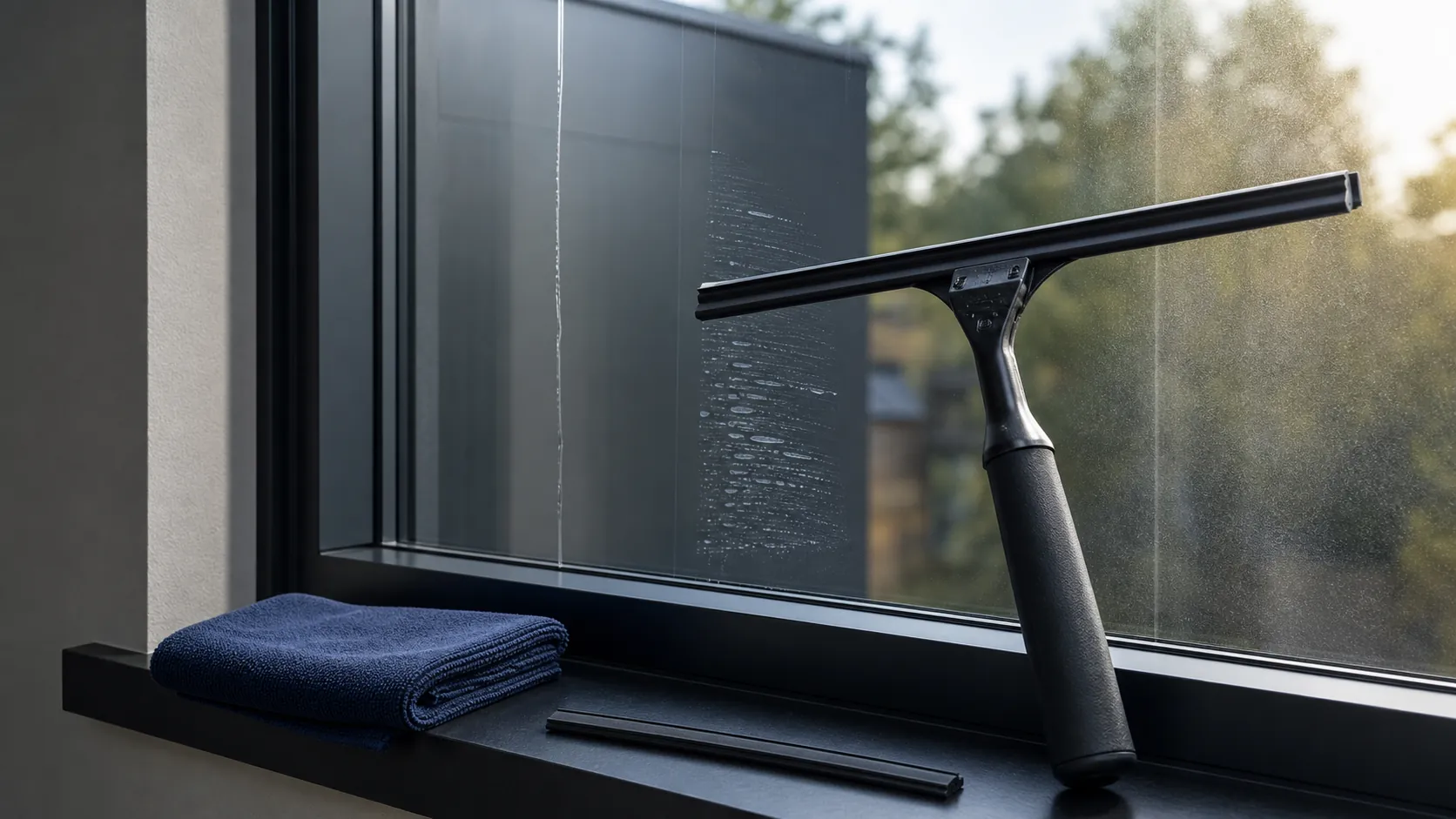
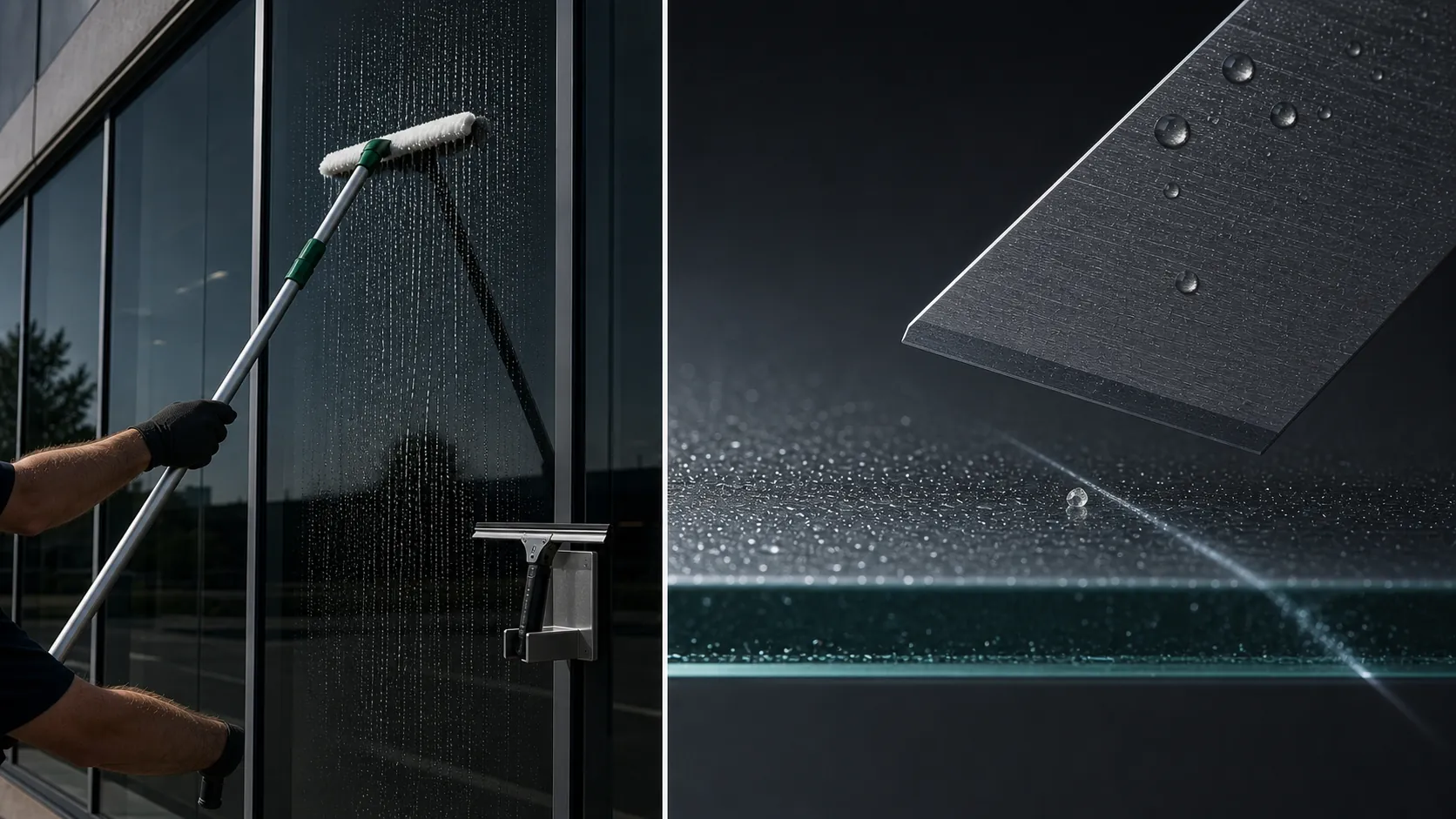
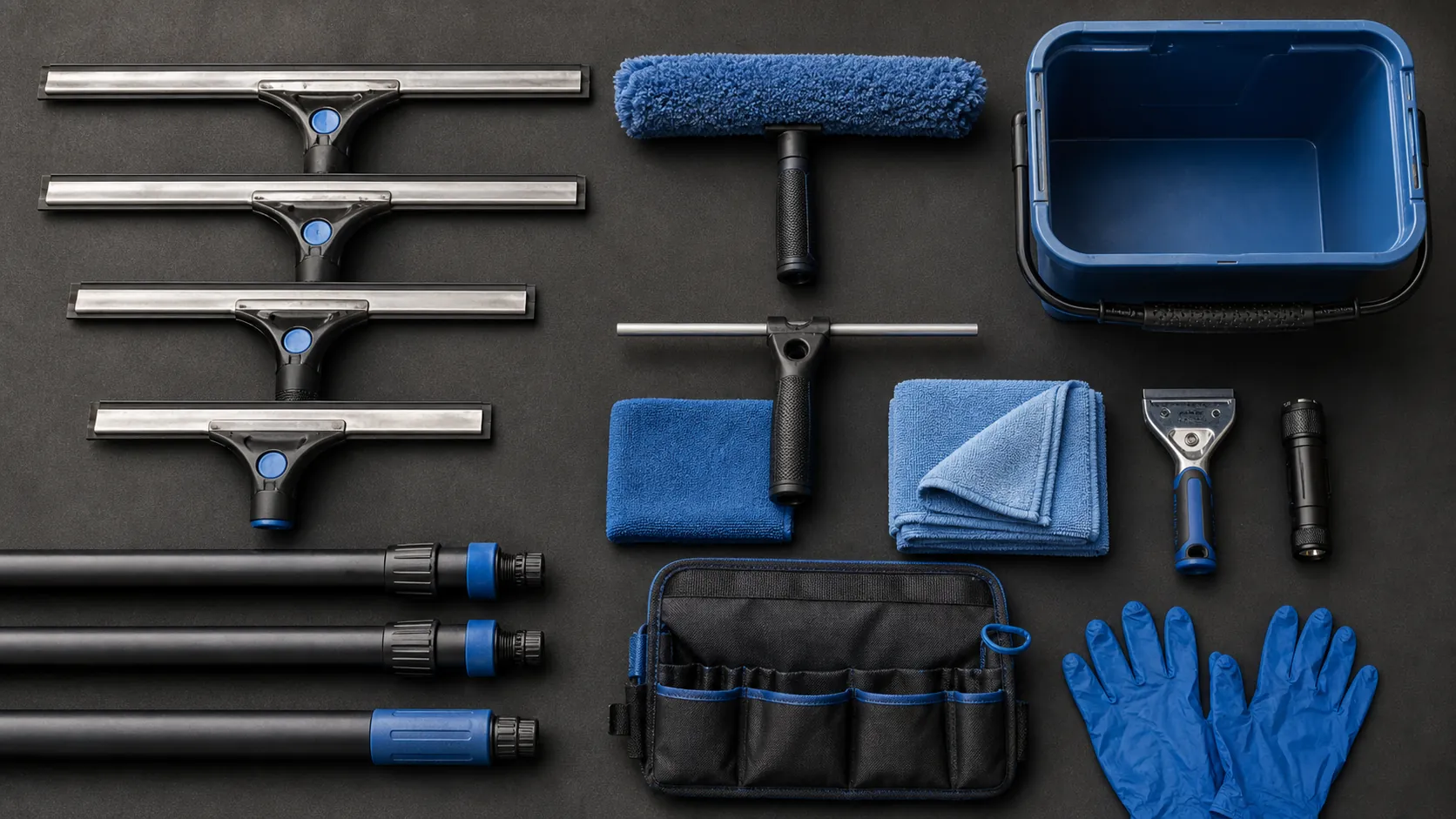
Locate the condition by glass surface, light, angle, moisture, and timing, then distinguish residue from opposite-side soil, condensation, seal failure, scratches, mineral alteration, coatings, and reflections.

Read guide
Power Washing

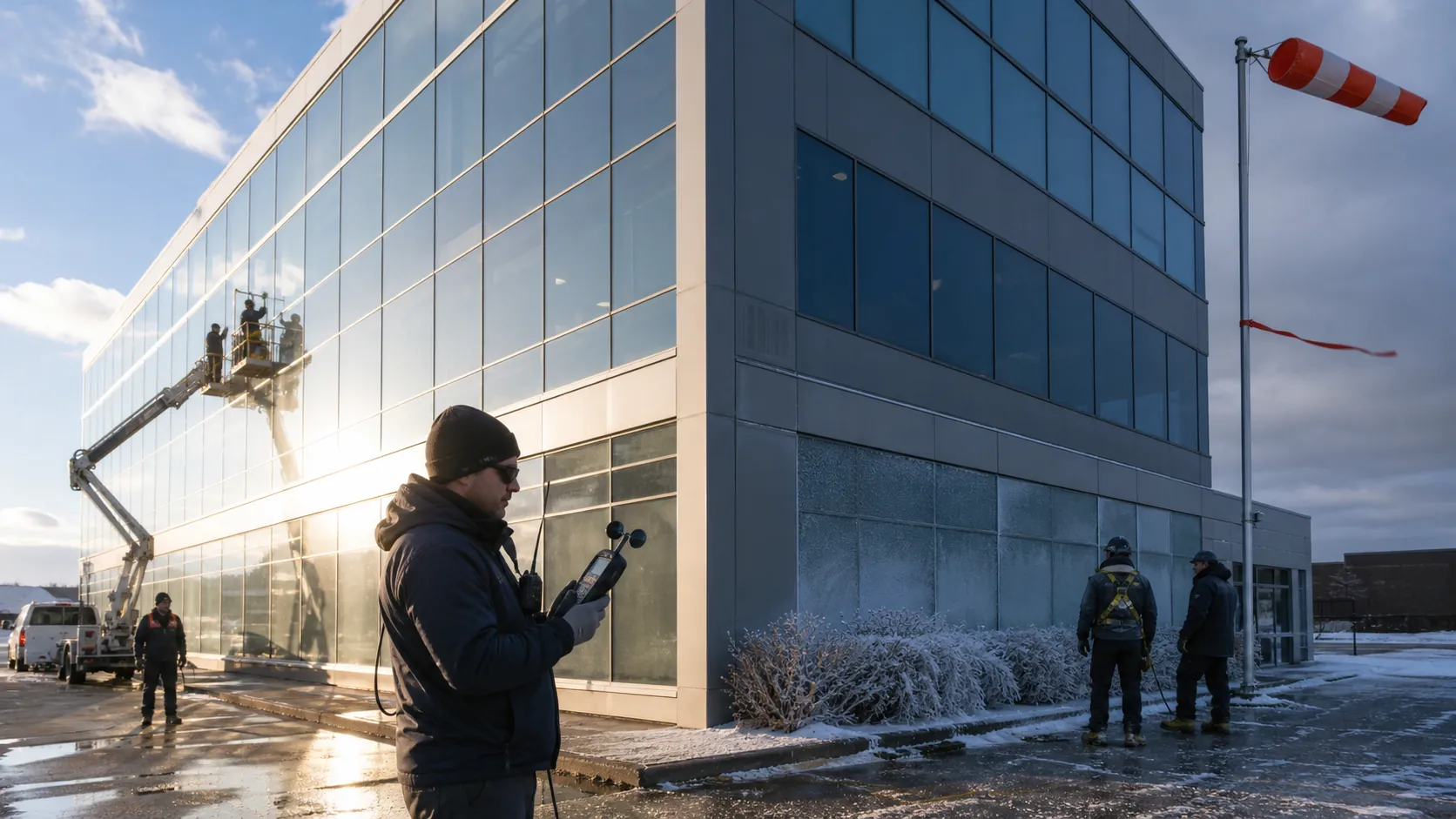
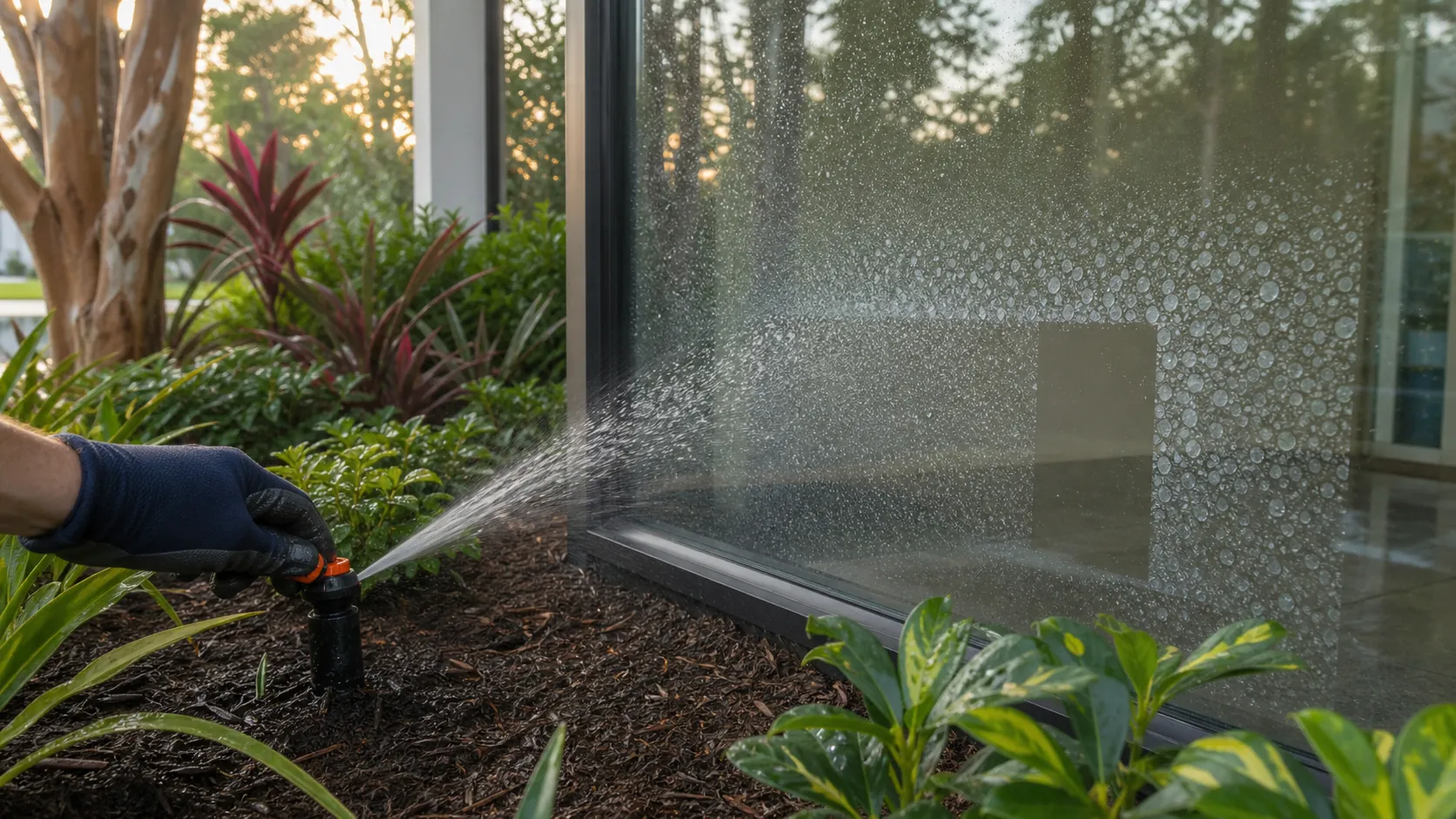
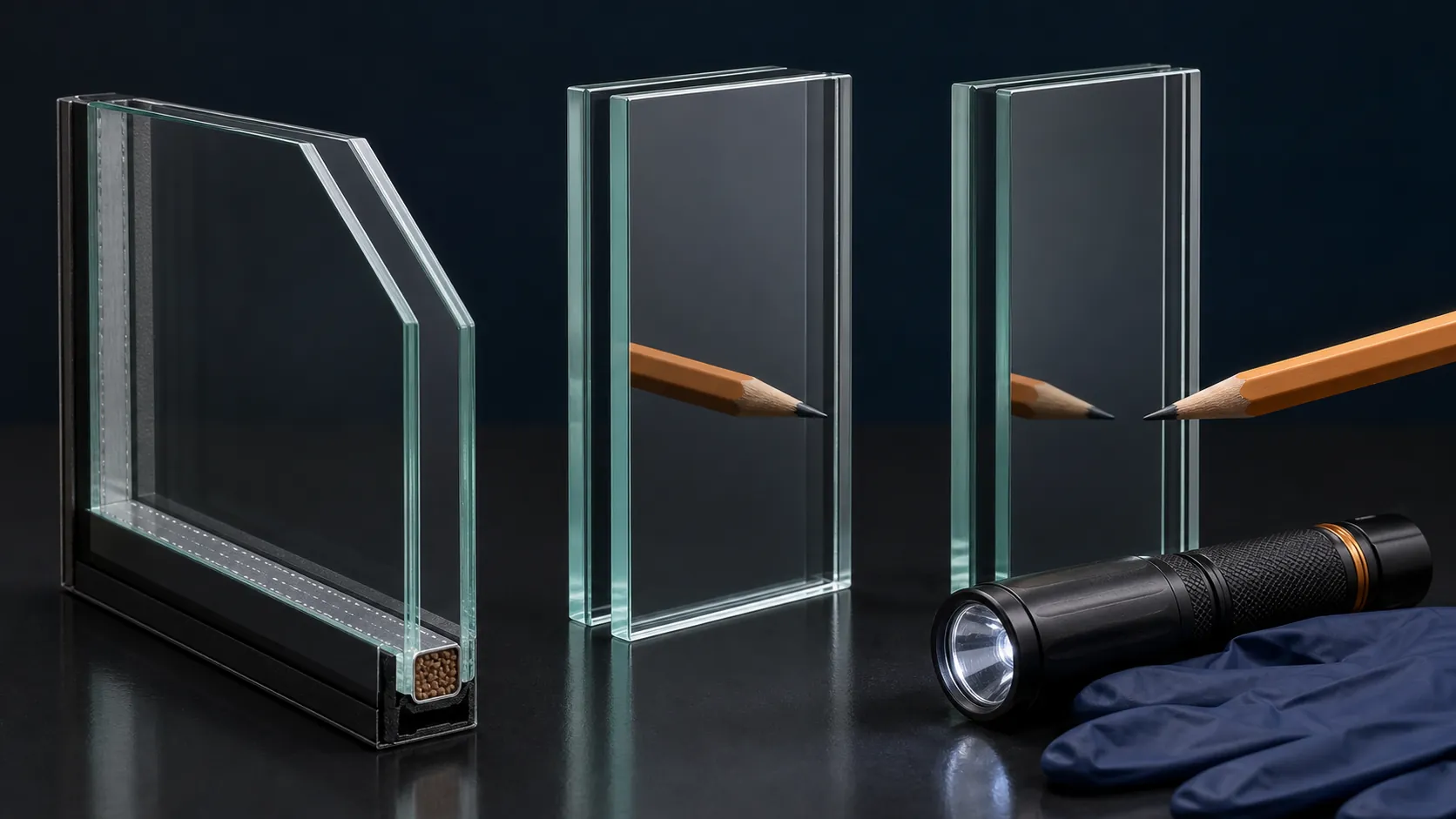
When not to pressure wash

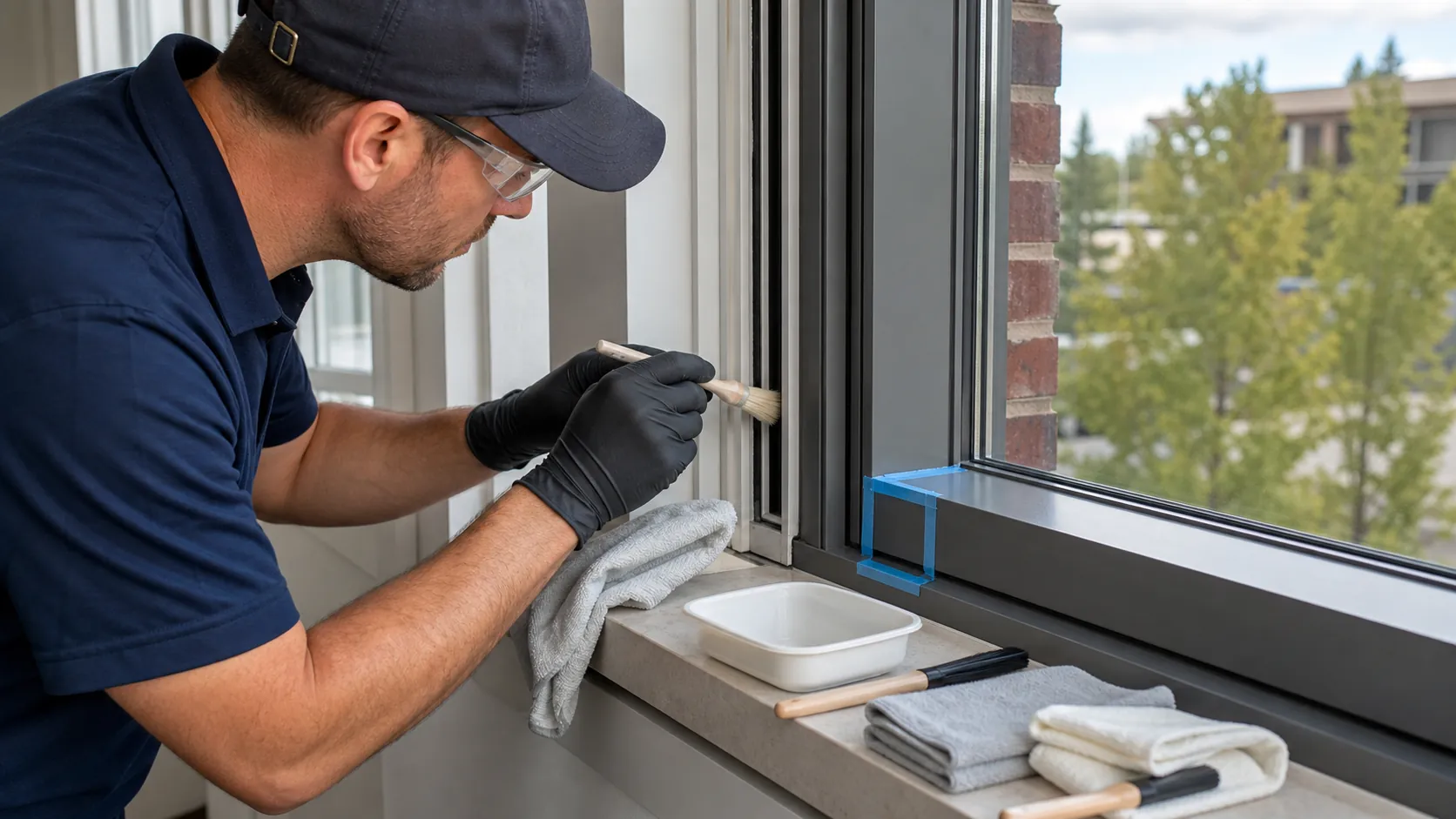
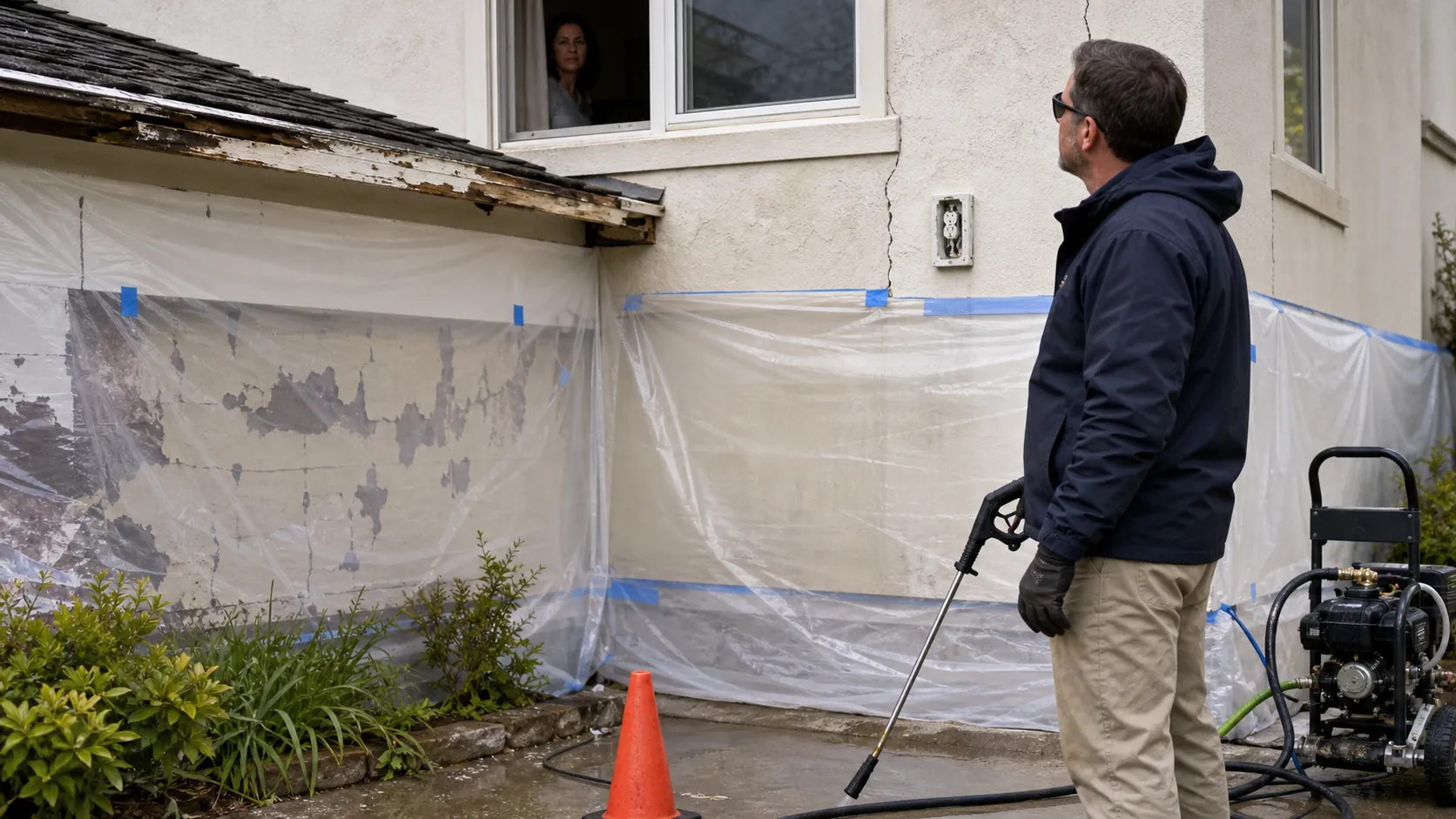
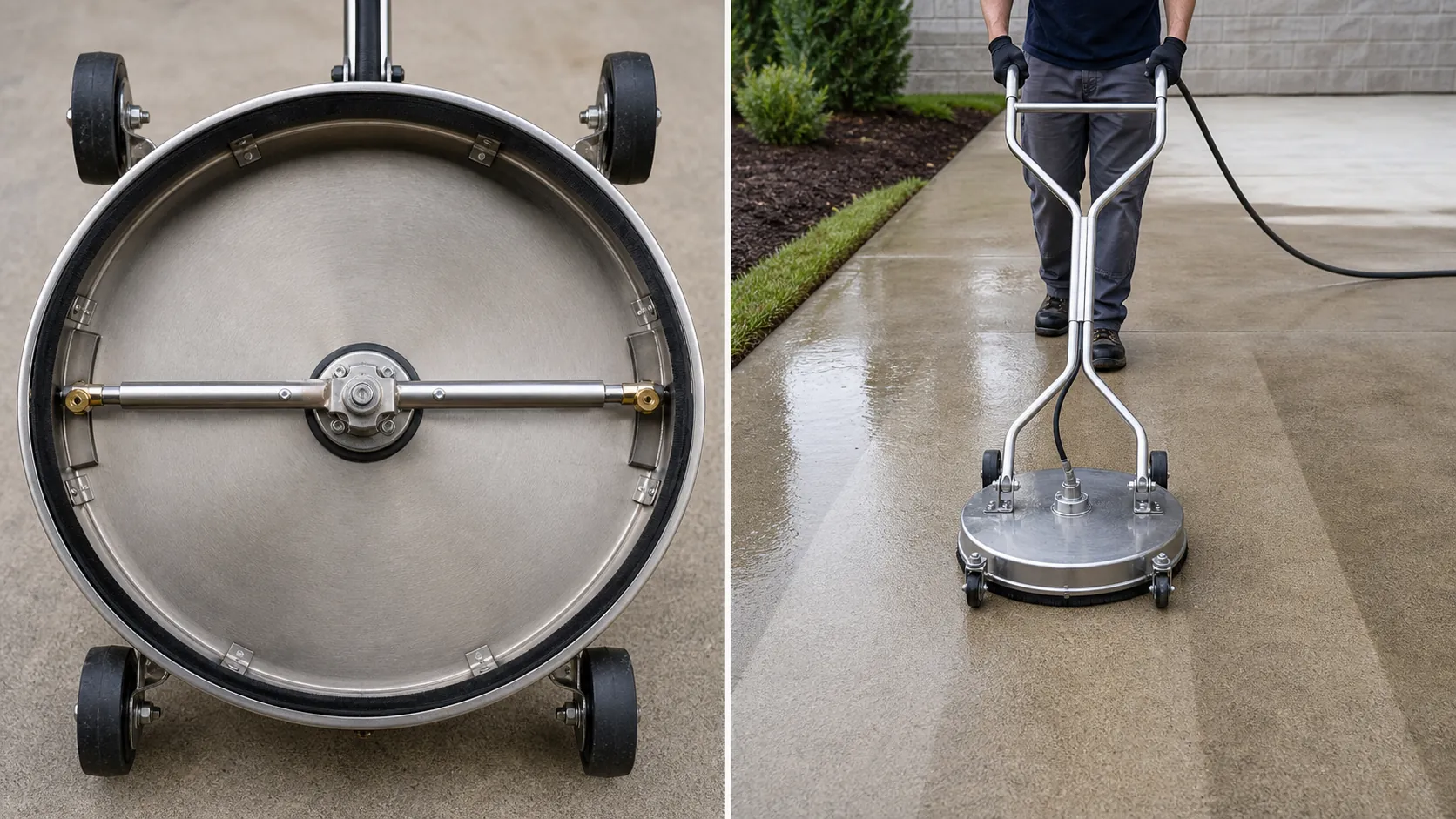
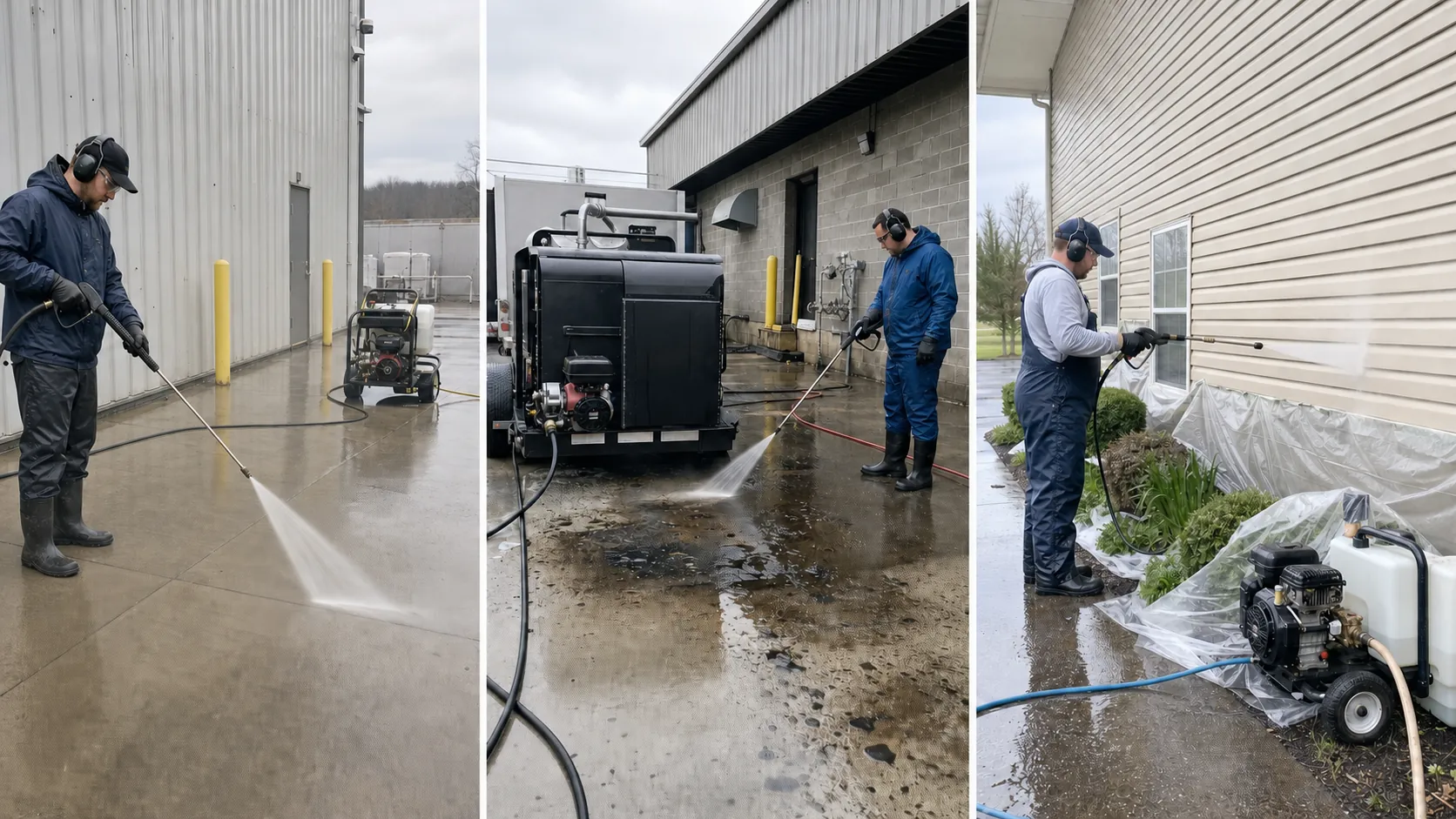
Stop for unknown coatings, fragile roofing, damaged cladding, open joints, electrical exposure, active leaks, unsafe access, occupants, or uncontrolled wastewater, then choose a safer path.

Read guide
Glass Restoration

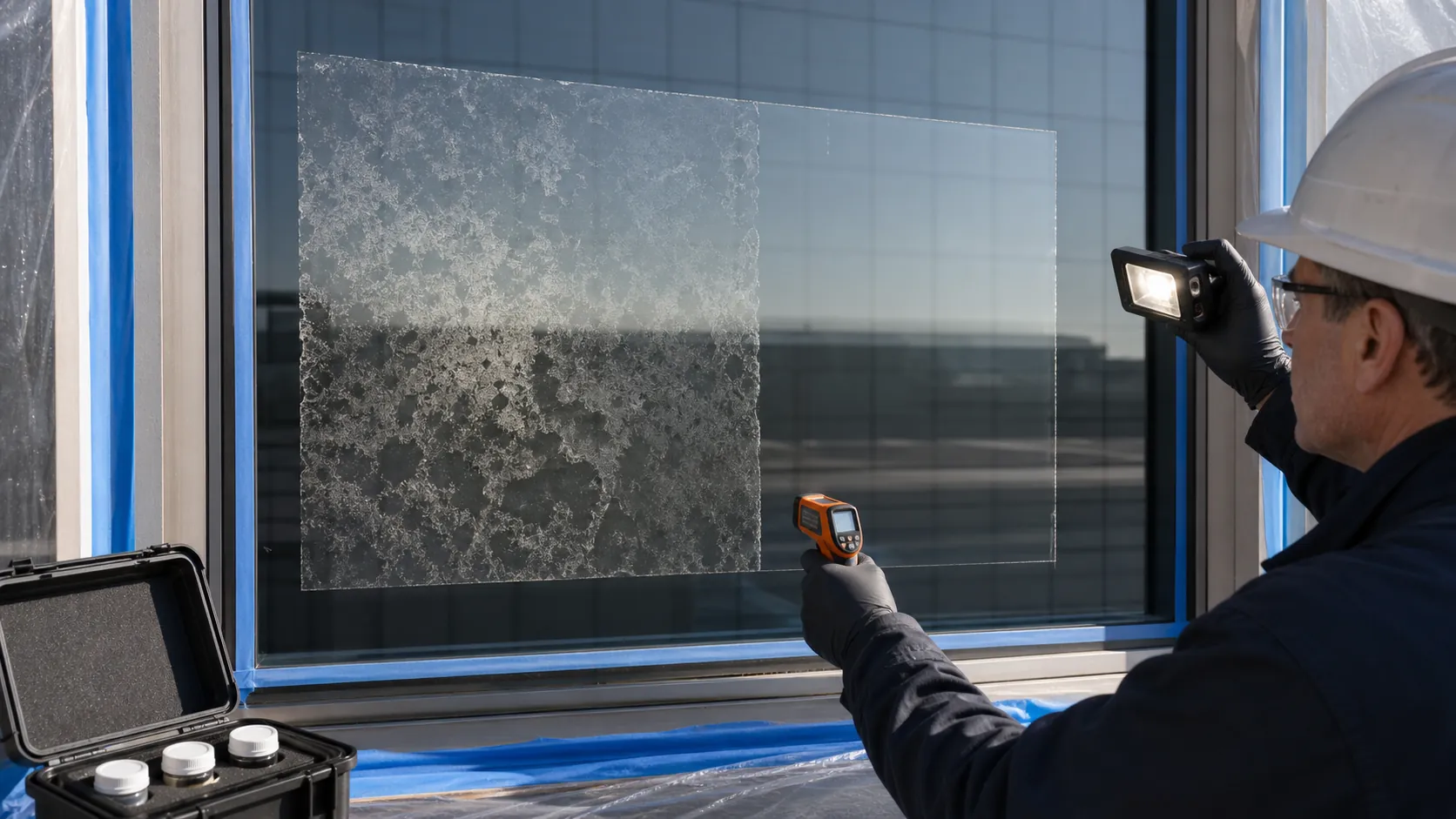
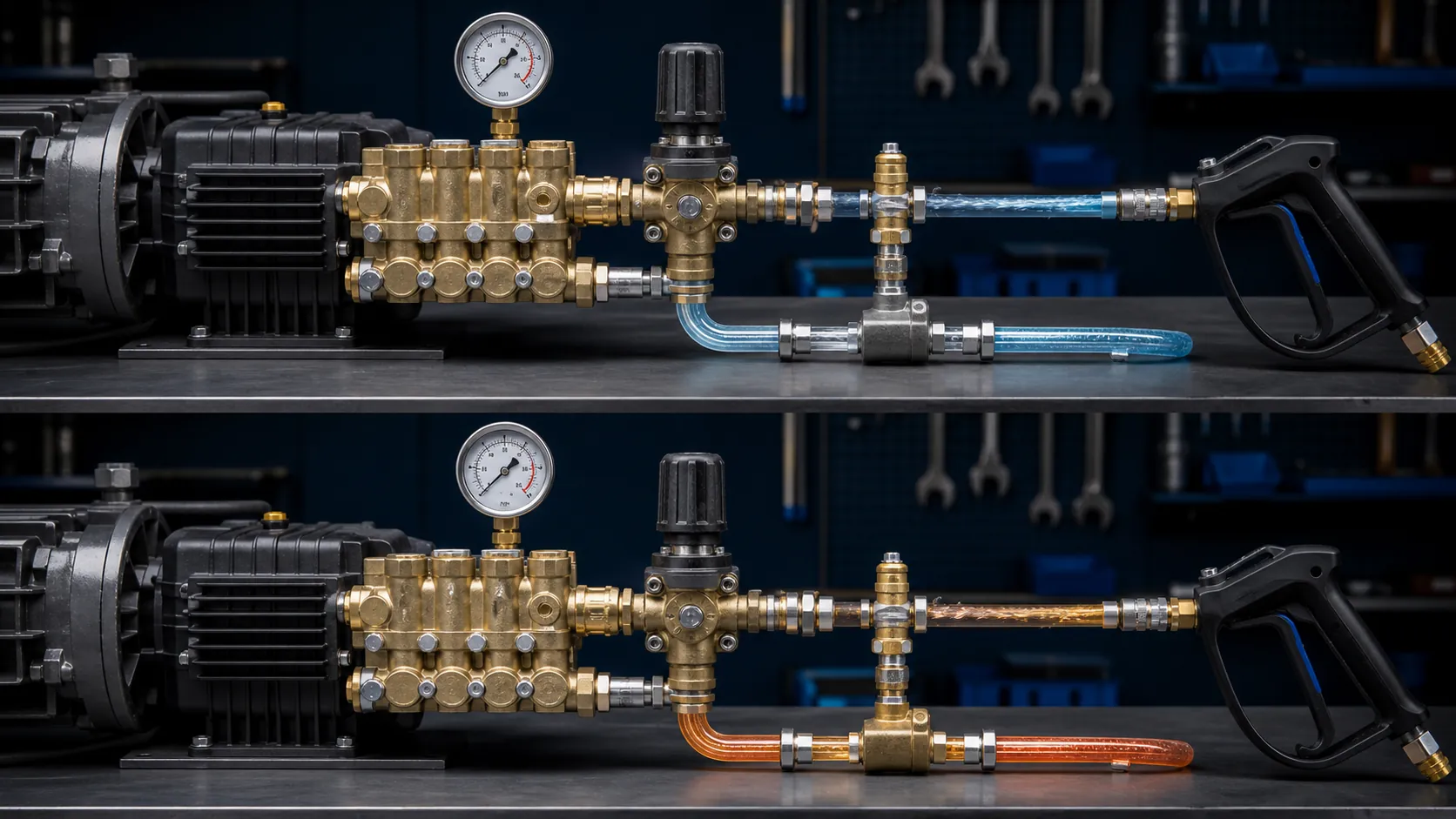
Heat management during glass polishing

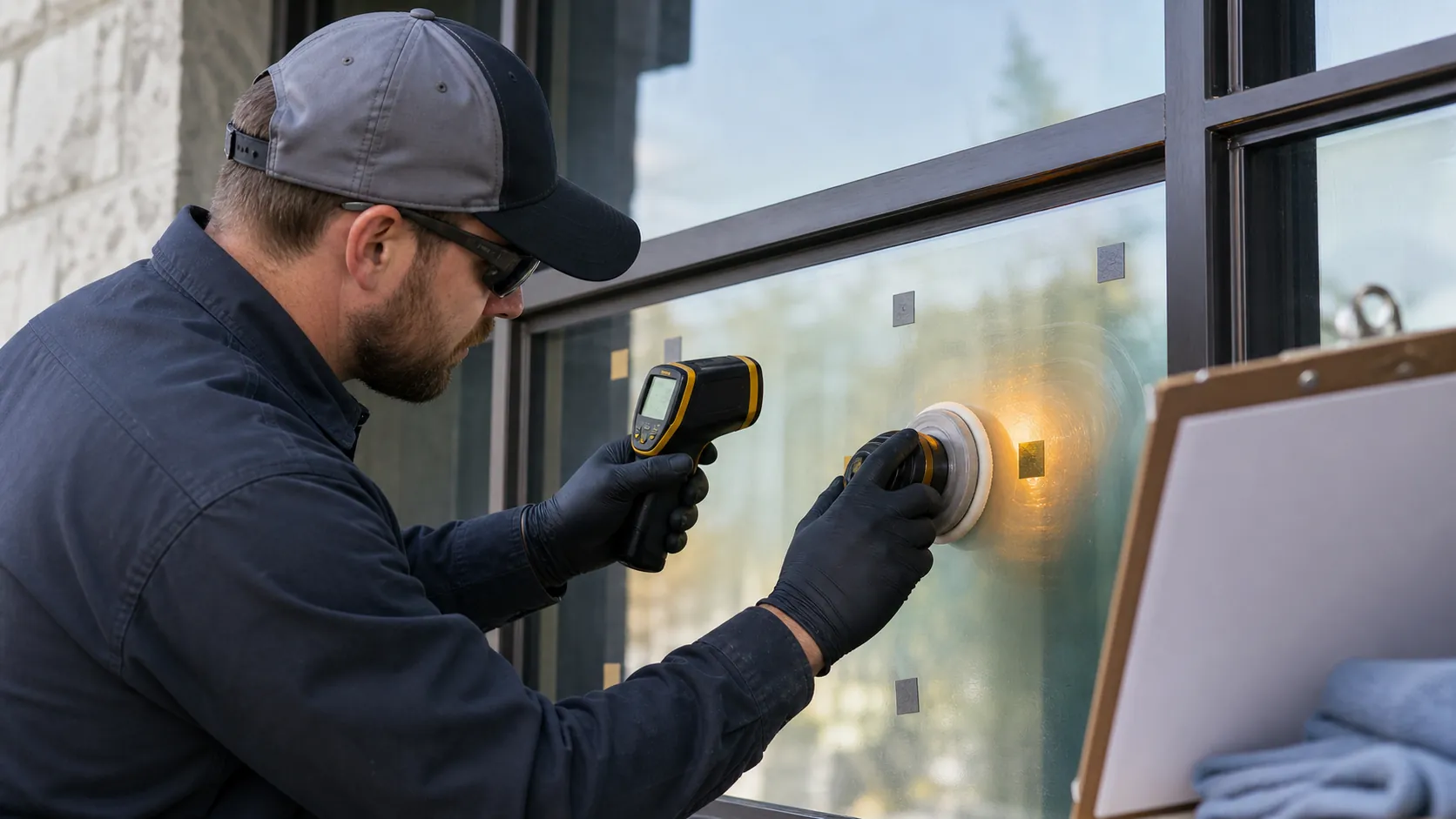
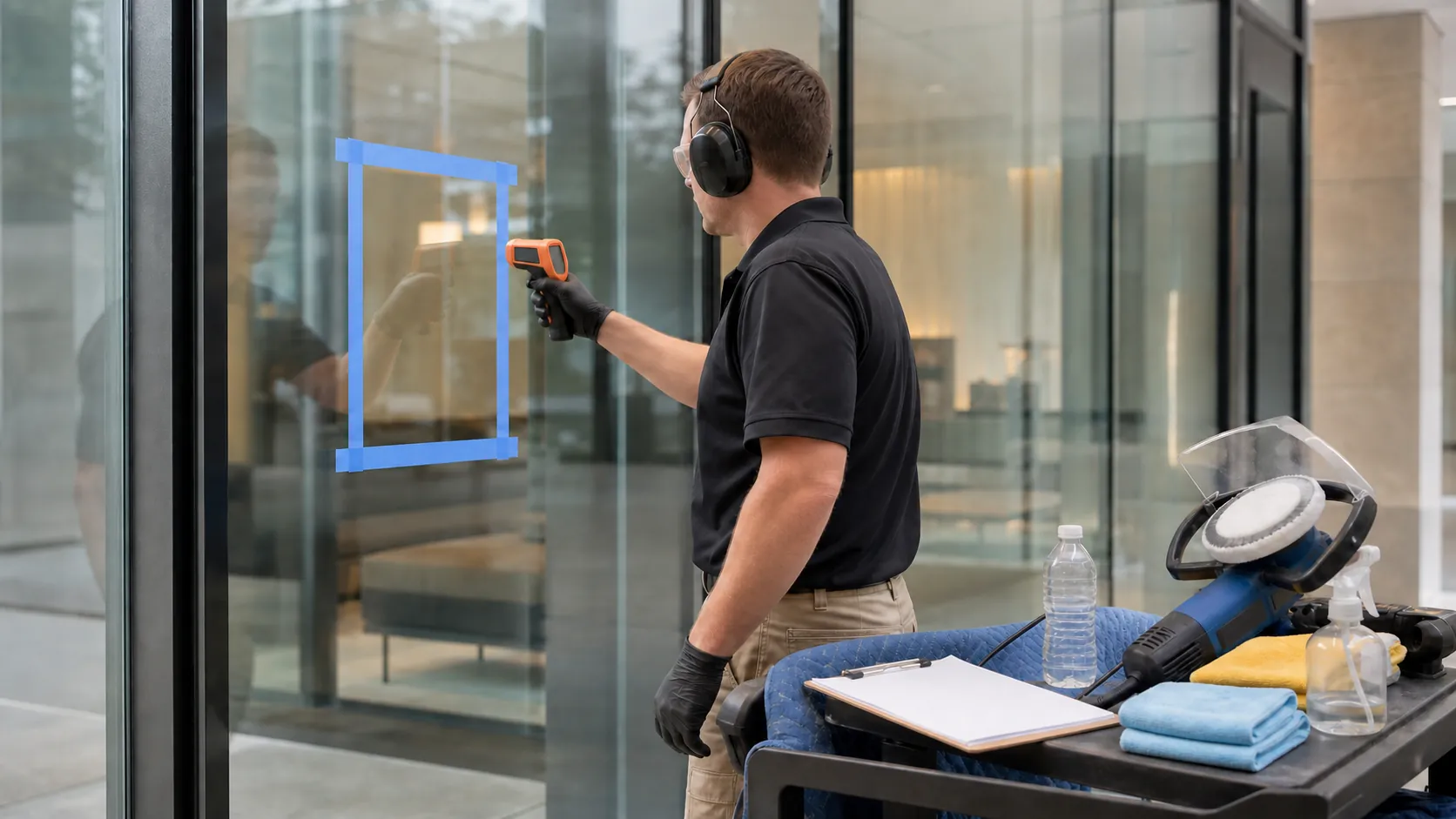
Build a temperature map, measure repair and reference zones, control friction and solar loading, interpret infrared readings, and pause before thermal stress becomes glass failure.

Read guide

Power Washing

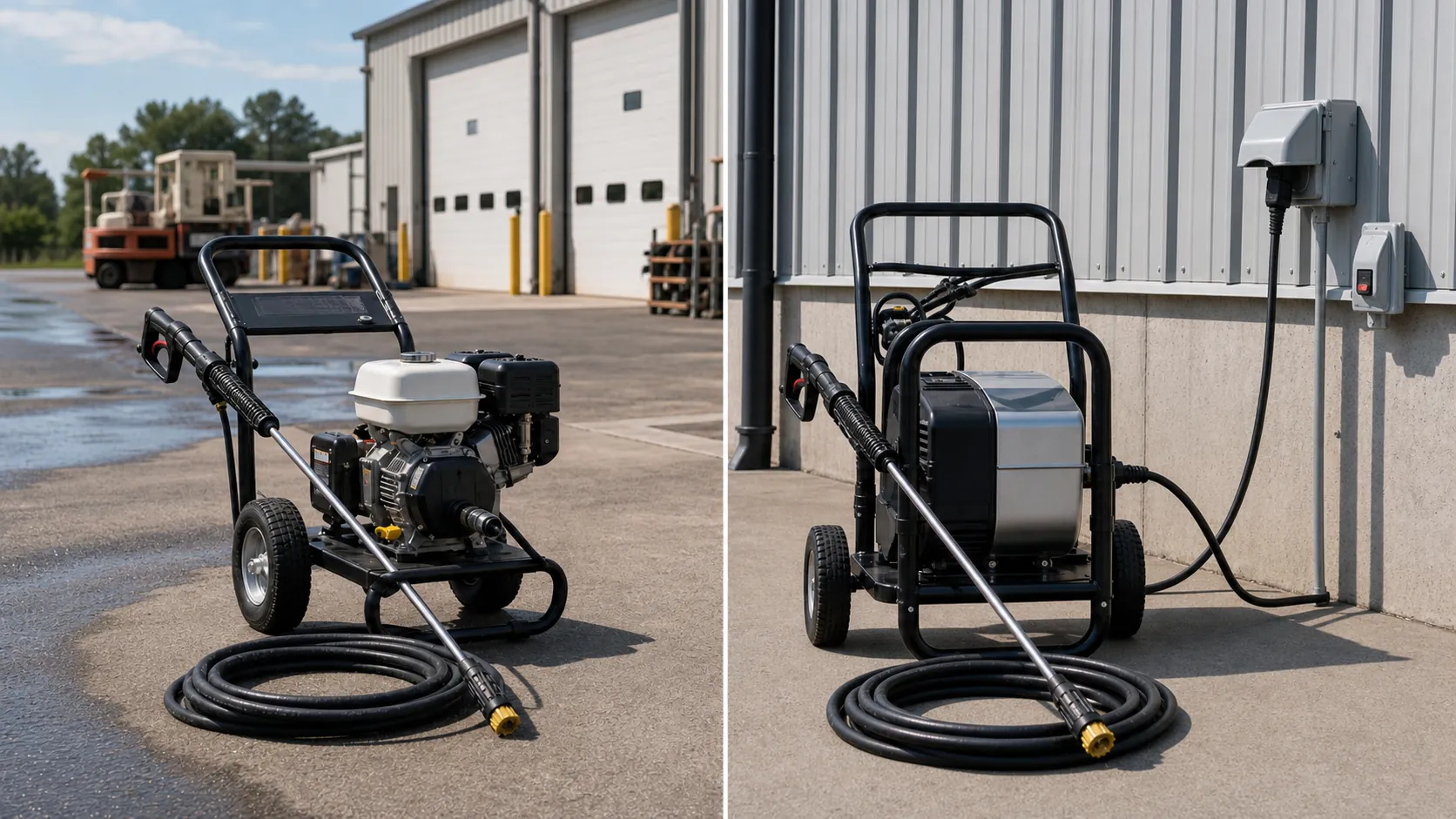
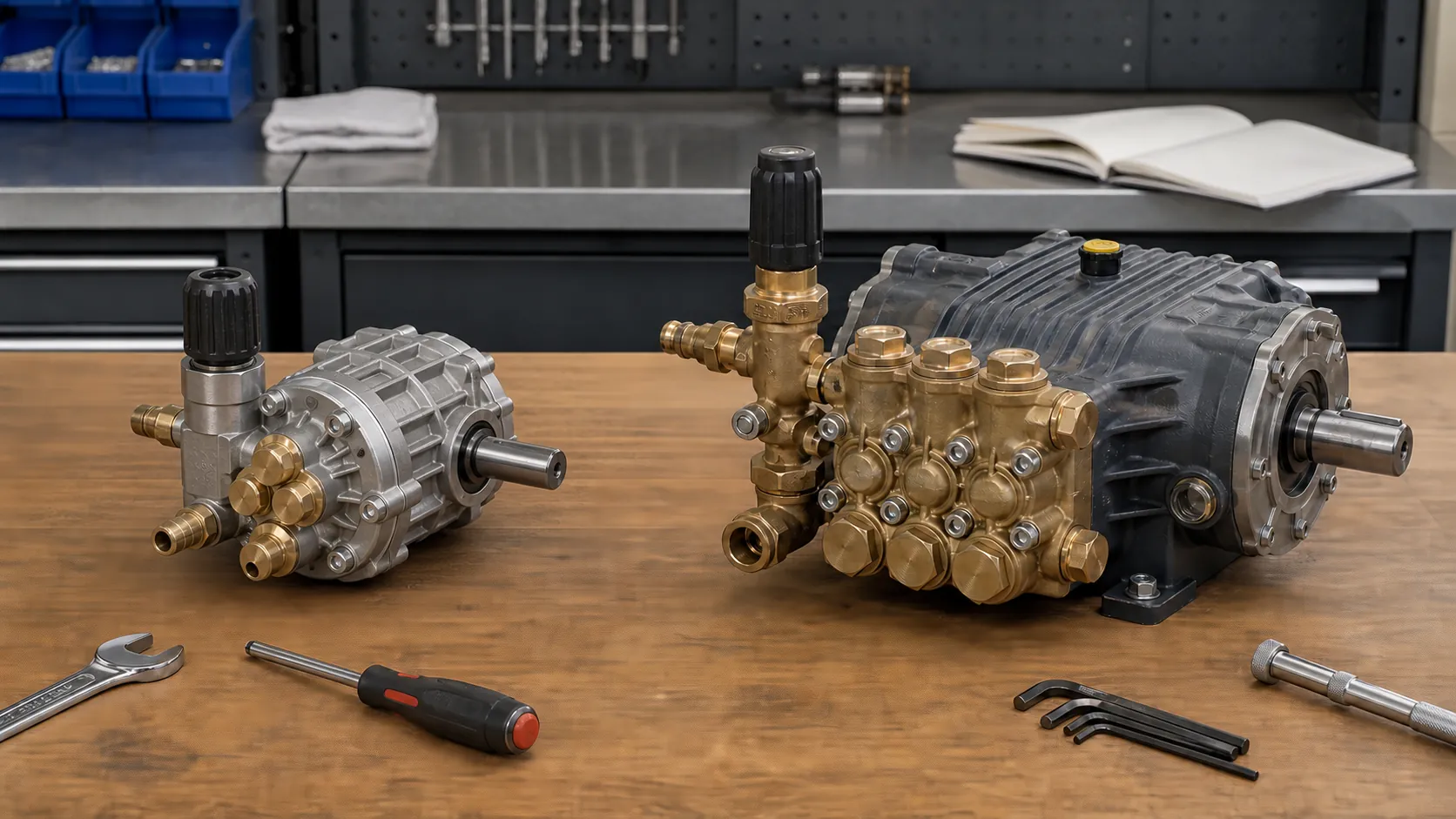
Gas versus electric pressure washers

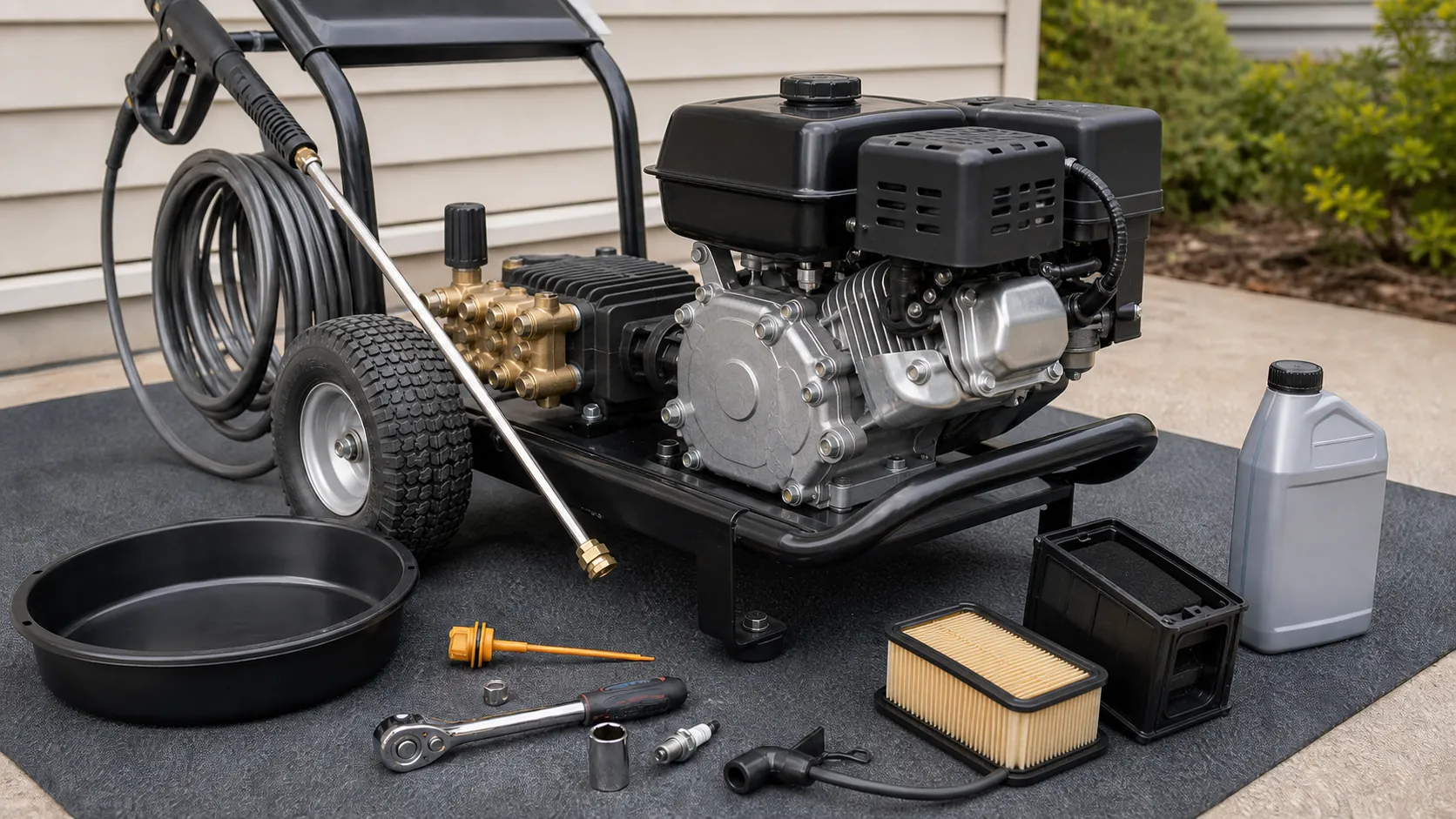
Compare actual flow, working pressure, duty cycle, pump, power supply, water supply, exhaust, noise, mobility, maintenance, and job constraints instead of choosing by fuel alone.

Read guide
Power Washing

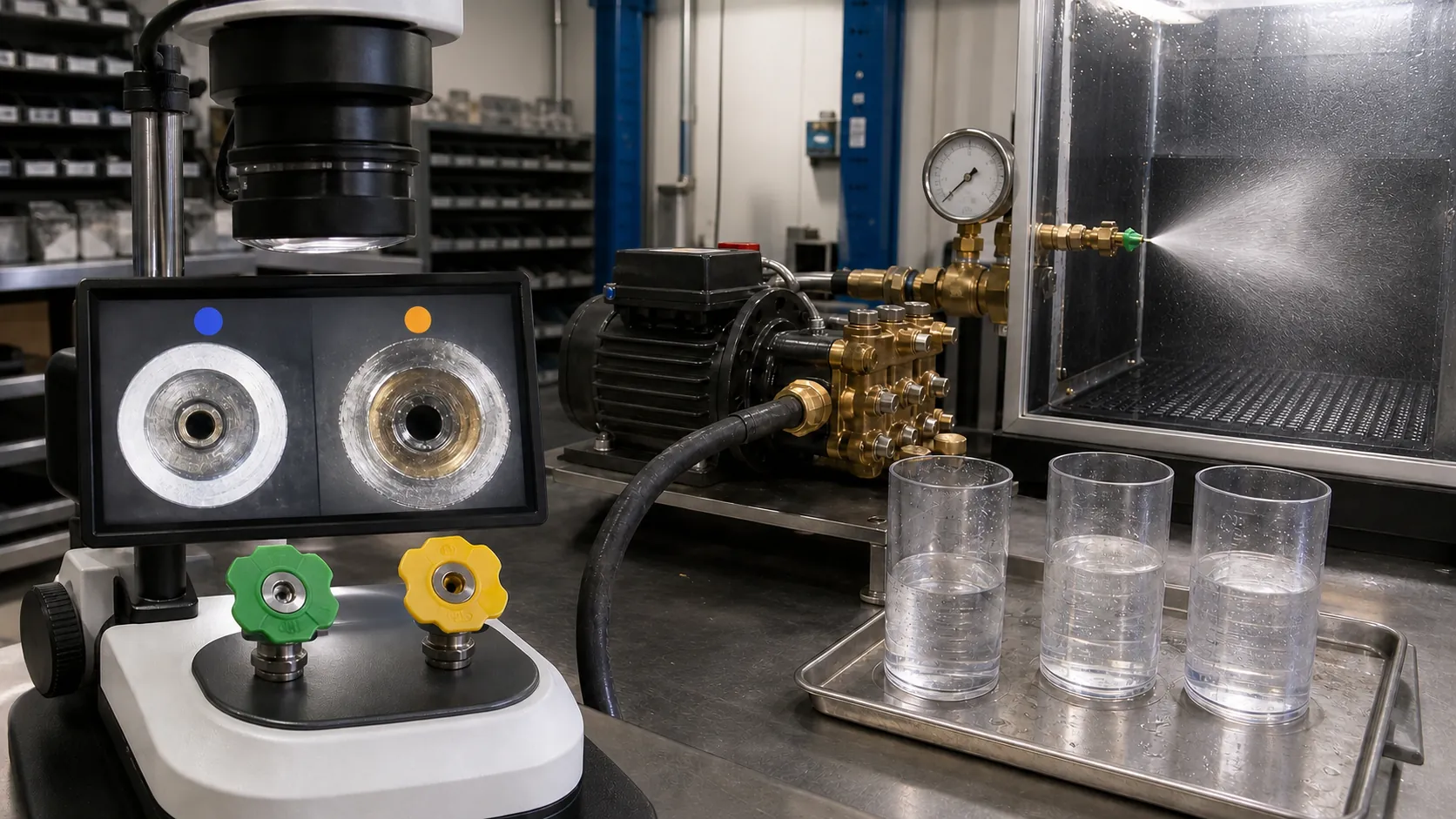
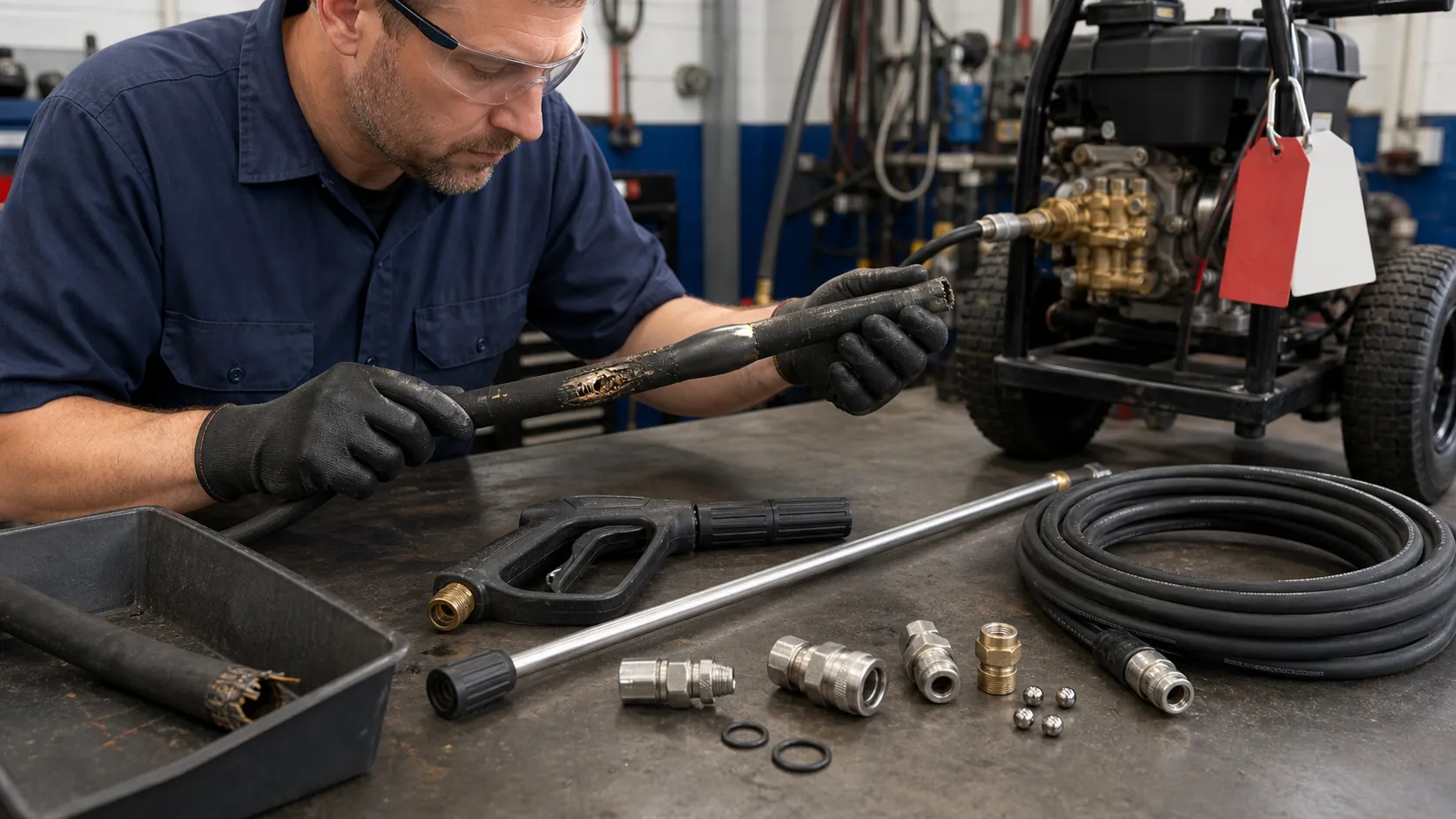
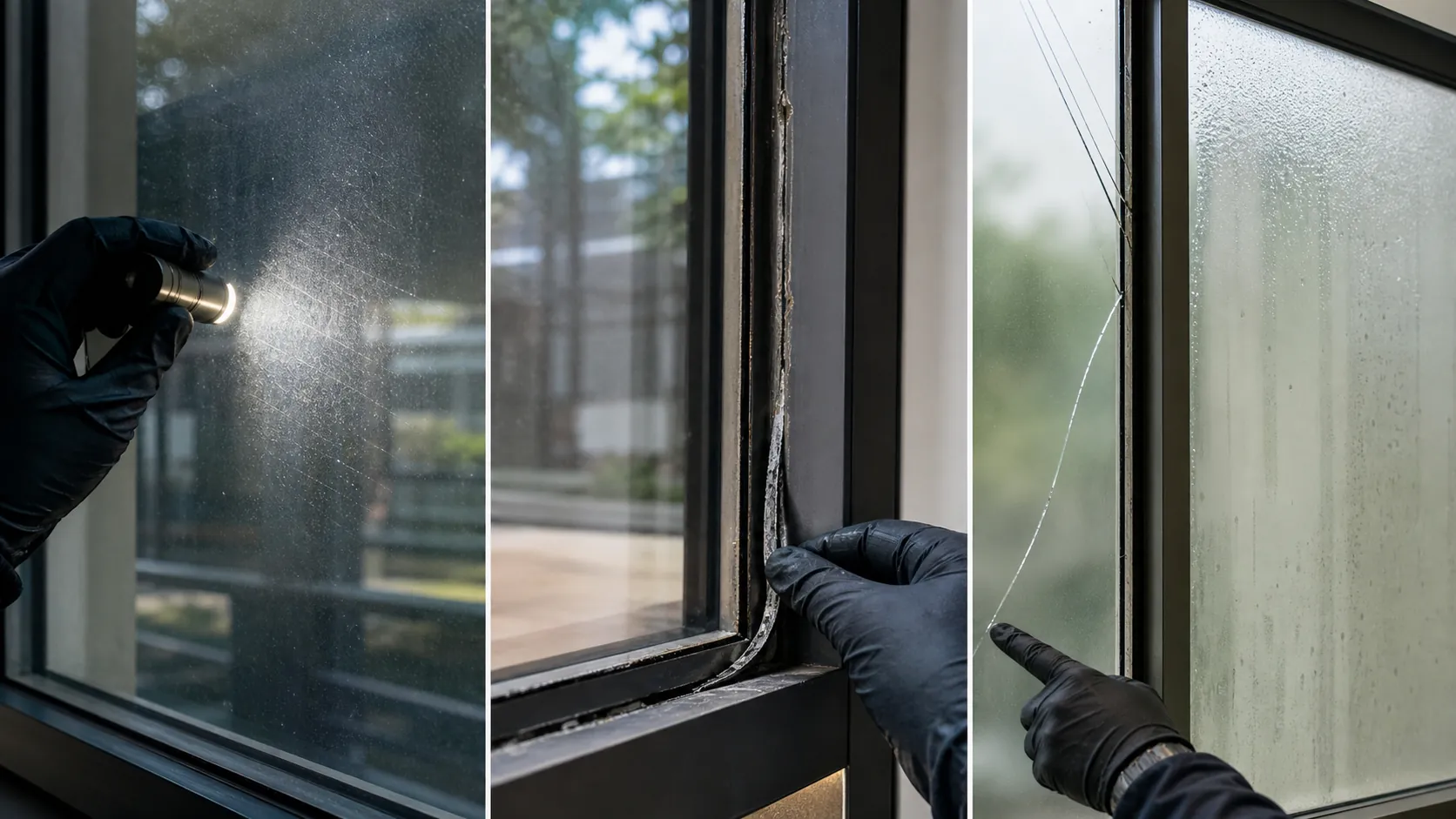
Why a pressure washer surges or pulses
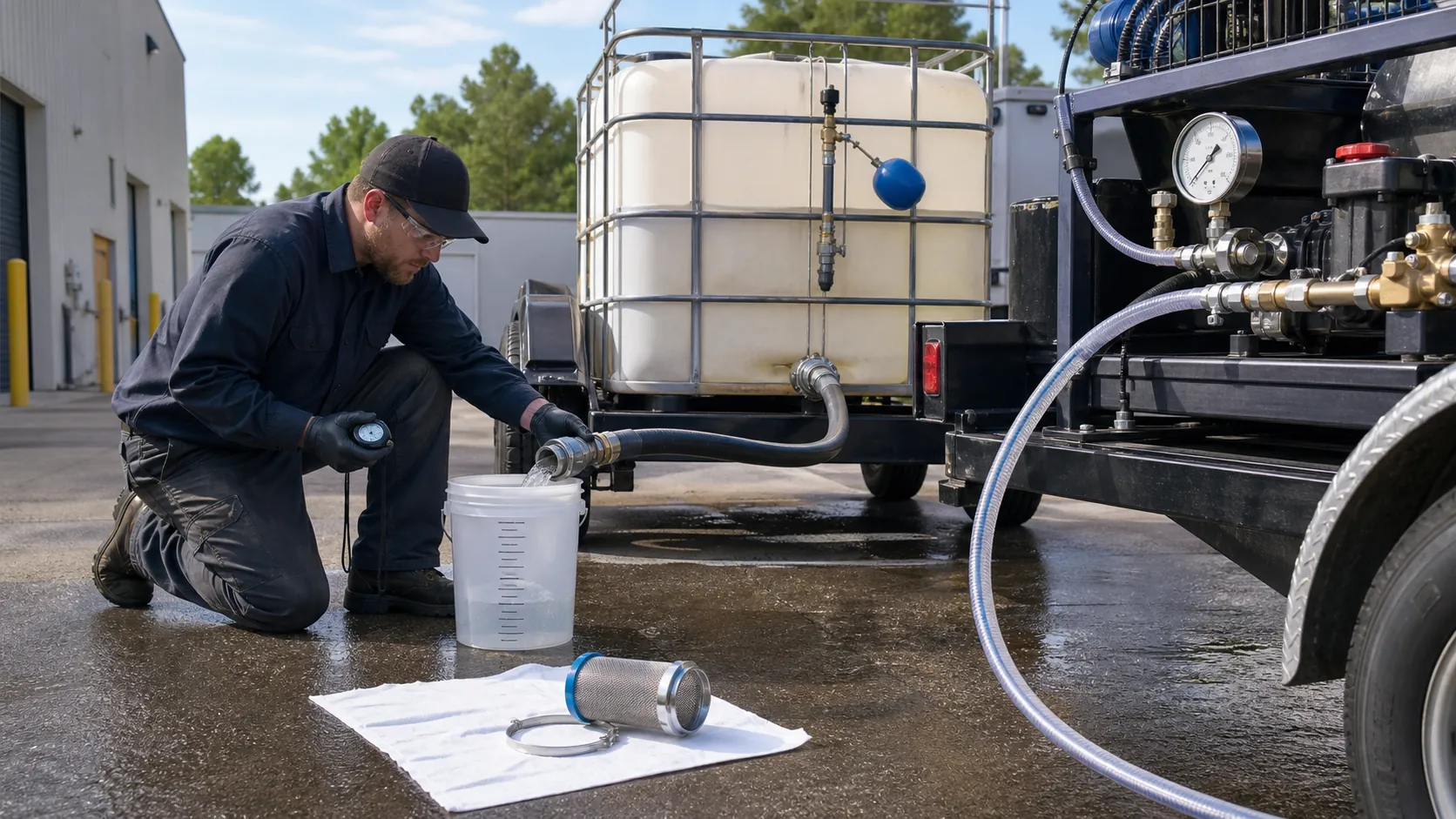
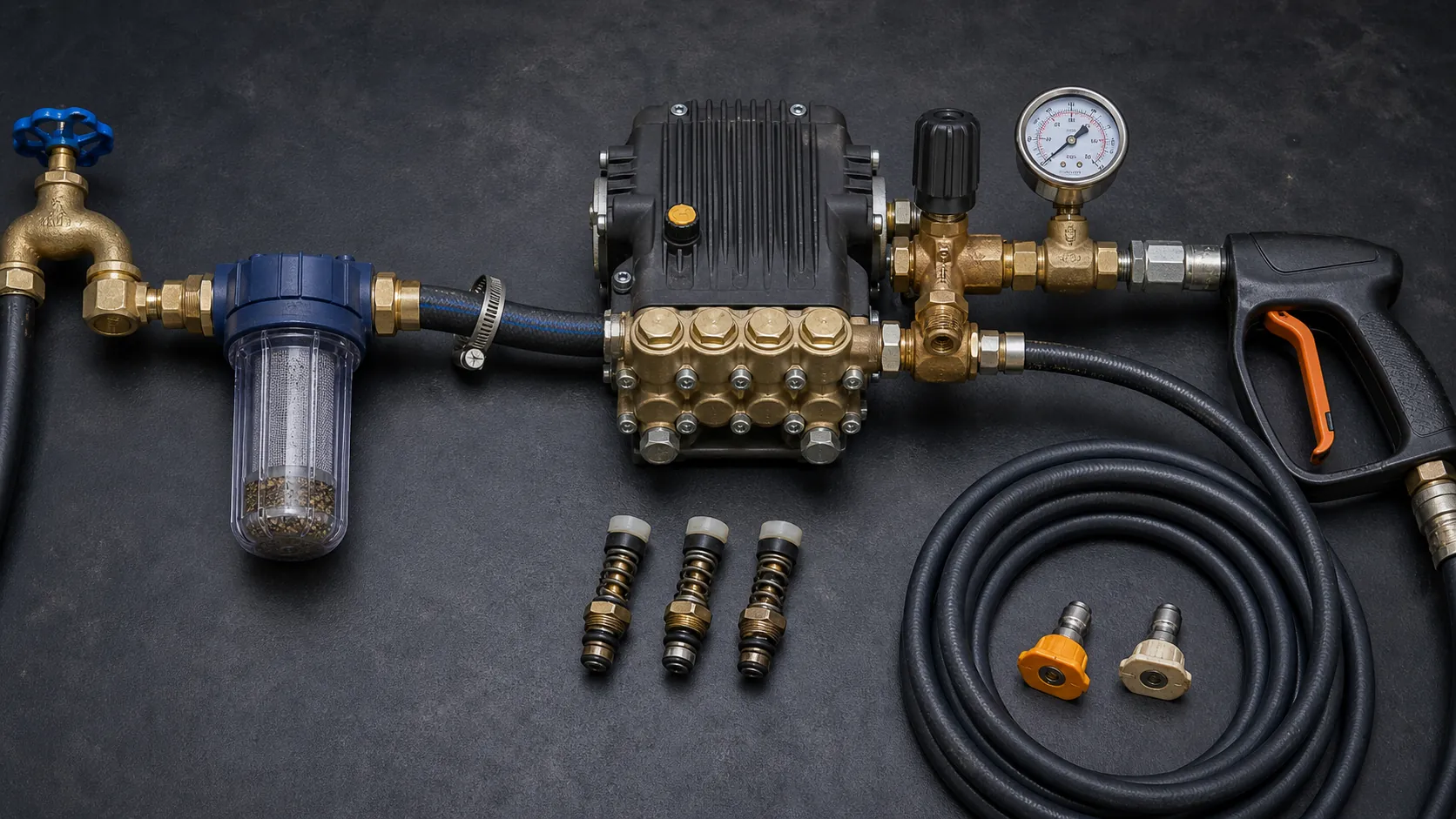
Separate engine hunting from hydraulic pulsation, then test water supply, inlet restrictions, air leaks, nozzle wear, gun and hose leaks, injector, check valves, and unloader behavior.

Read guide